 Save to Pinterest
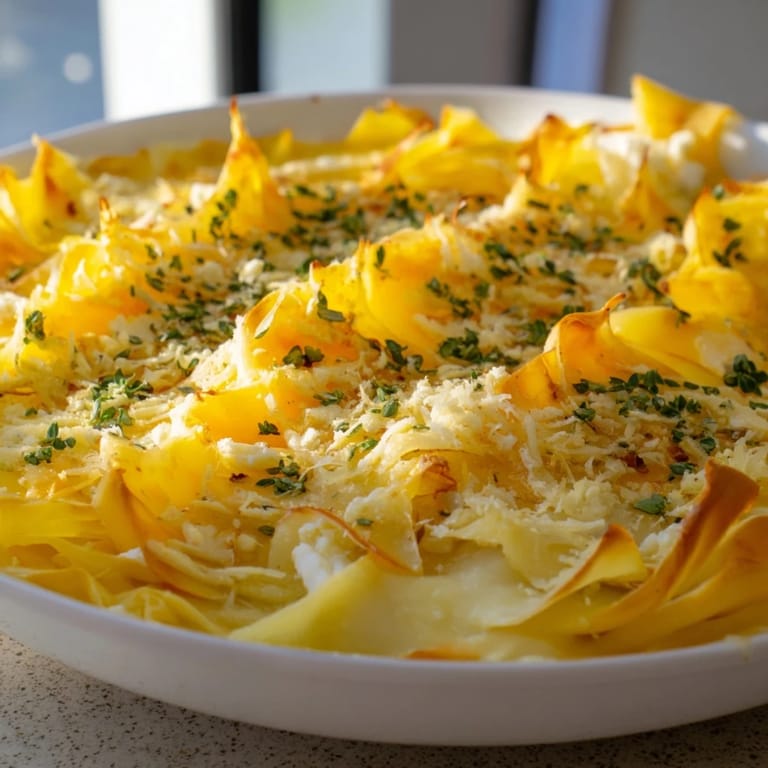
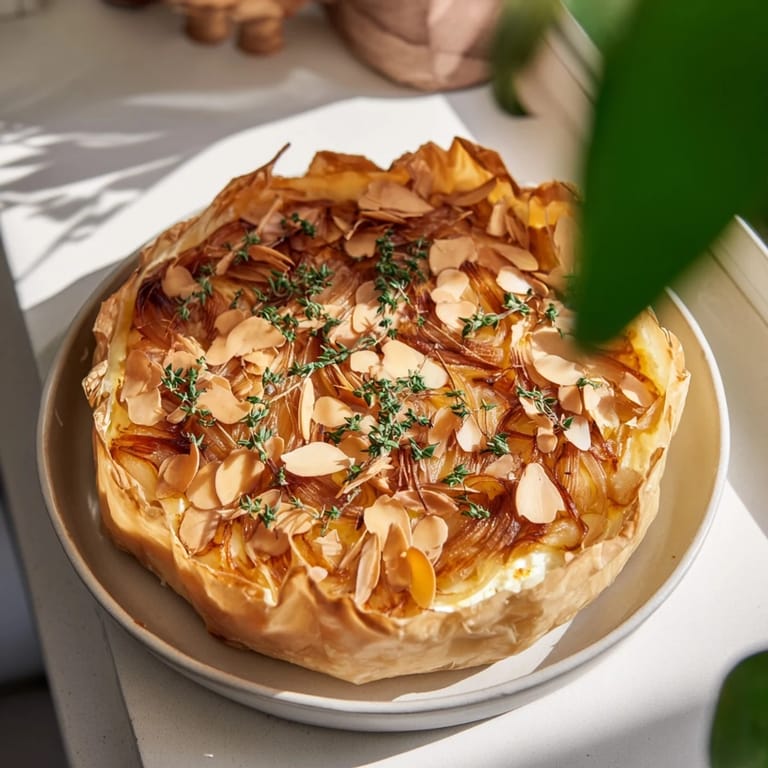
 I burned my first batch of onions trying to rush them on high heat, and the kitchen smelled like regret for hours. Now I know better. Caramelizing onions is a slow dance, not a sprint, and this tart taught me that patience in the kitchen pays off in golden, jammy layers of sweetness. The contrast between those onions and the sharp tang of goat cheese is something I crave on lazy Sunday mornings.
I made this tart for a small gathering once, and someone asked if I trained in France. I laughed and said no, just a patient Tuesday evening and a good skillet. It became my go-to whenever I want to impress without the stress, and I love watching people take that first bite and go quiet for a second.
Ingredients
- Puff pastry: Using store-bought saves time and still gives you those beautiful flaky layers, just make sure it is fully thawed before you unroll it.
- Yellow onions: They have the right balance of sweetness and sharpness for caramelizing, and slicing them thin helps them melt down evenly.
- Butter and olive oil: The oil keeps the butter from burning during the long cook, and together they give the onions a silky richness.
- Sugar: Just a teaspoon coaxes out the natural sweetness faster, though the onions will caramelize without it if you have the time.
- Fresh thyme: It adds an earthy, almost floral note that makes the whole tart smell like a French countryside kitchen.
- Goat cheese: Crumbled, not sliced, so it melts into little pockets of tangy creaminess throughout the custard.
- Eggs and cream: They create a silky custard that holds everything together without drowning the onions.
- Whole milk: Lightens the custard just enough so it is not too heavy, and you can still go back for a second slice.
Tired of Takeout? 🥡
Get 10 meals you can make faster than delivery arrives. Seriously.
One email. No spam. Unsubscribe anytime.
Instructions
- Prep the pastry:
- Press the puff pastry gently into your tart pan, letting it drape naturally over the edges before trimming. Prick the base with a fork to prevent puffing, then chill it while you work on the onions so it holds its shape in the oven.
- Caramelize the onions:
- Heat the olive oil in a large skillet over medium heat, then add the onions and stir them often for the first 10 minutes. Once they soften, add the butter, sugar, salt, and thyme, then lower the heat slightly and let them cook slowly, stirring every few minutes, until they turn a deep amber color and smell like sweet, savory heaven.
- Make the custard:
- Whisk the eggs, cream, milk, pepper, and salt together until smooth and well combined. It should look pale and silky, with no streaks of egg white.
- Assemble the tart:
- Spread the cooled caramelized onions evenly over the chilled pastry, then scatter the crumbled goat cheese on top. Pour the custard mixture gently over everything, tilting the pan slightly to make sure it reaches all the corners.
- Bake until golden:
- Slide the tart into the preheated oven and bake for 25 to 30 minutes, until the custard is set with just a slight wobble in the center and the edges are golden. Let it cool for 10 minutes before slicing so the filling has time to firm up.
- Garnish and serve:
- Sprinkle fresh chives or parsley over the top and add a few cracks of black pepper. Serve it warm or at room temperature, and watch it disappear.
 Save to Pinterest
 There was an autumn afternoon when I sliced into this tart while it was still warm, and the smell alone made my neighbor knock on the door. We sat at the kitchen table with mismatched plates and talked for an hour, and I realized that some recipes are not just about feeding people, they are about making them stay a little longer.
Making It Your Own
If goat cheese is not your thing, crumbled feta adds a salty sharpness, or blue cheese brings a bold funk that pairs beautifully with the sweet onions. A splash of balsamic vinegar in the last few minutes of caramelizing gives the onions a glossy, tangy finish that cuts through the richness. You can also swap the thyme for rosemary or sage if you want a more robust, earthy flavor.
Serving Suggestions
This tart is perfect alongside a simple arugula salad dressed with lemon and olive oil, and a glass of chilled Sauvignon Blanc makes it feel like a proper occasion. I have also packed it for picnics, wrapped in parchment, and it holds up beautifully at room temperature. For brunch, serve it with fresh fruit and strong coffee, and people will think you woke up at dawn to make it.
Storage and Reheating
Leftovers keep in the fridge for up to three days, covered tightly with plastic wrap or foil. I usually reheat slices in a 180 degree oven for about 10 minutes to bring back the flaky crust, though I have eaten it cold straight from the fridge more times than I will admit. You can also freeze baked slices wrapped well in foil, then thaw and warm them when the craving hits.
- Wrap leftover slices individually so you can grab one whenever you need a quick, elegant lunch.
- If the crust softens after a day, a few minutes in a hot oven will crisp it right back up.
- Do not microwave it unless you are okay with a soggy bottom, the oven is your friend here.
 Save to Pinterest
 This tart has a way of turning a regular meal into something special without any fuss. I hope it becomes one of those recipes you turn to when you want to feel like you have your life together, even if the rest of the day was chaos.
Recipe Questions & Answers
- → How do you achieve perfectly caramelized onions?
Slowly cook thinly sliced onions over medium heat with olive oil and butter, stirring often until they turn a deep golden brown, about 25 minutes. Adding a pinch of sugar helps enhance their natural sweetness.
- → Can I use a different type of cheese?
Yes, feta or blue cheese can substitute goat cheese to provide different flavor profiles while maintaining a creamy texture.
- → What pastry works best for this tart?
Ready-rolled puff pastry creates a flaky, buttery crust, but homemade shortcrust also works well for a sturdy base.
- → How should the tart be served?
Serve warm or at room temperature, optionally garnished with fresh chives or parsley and a sprinkle of freshly cracked black pepper.
- → Any tips for flavor enhancement?
Adding a splash of balsamic vinegar to the onions during the last minutes of cooking adds depth and a subtle tang.