 Save to Pinterest
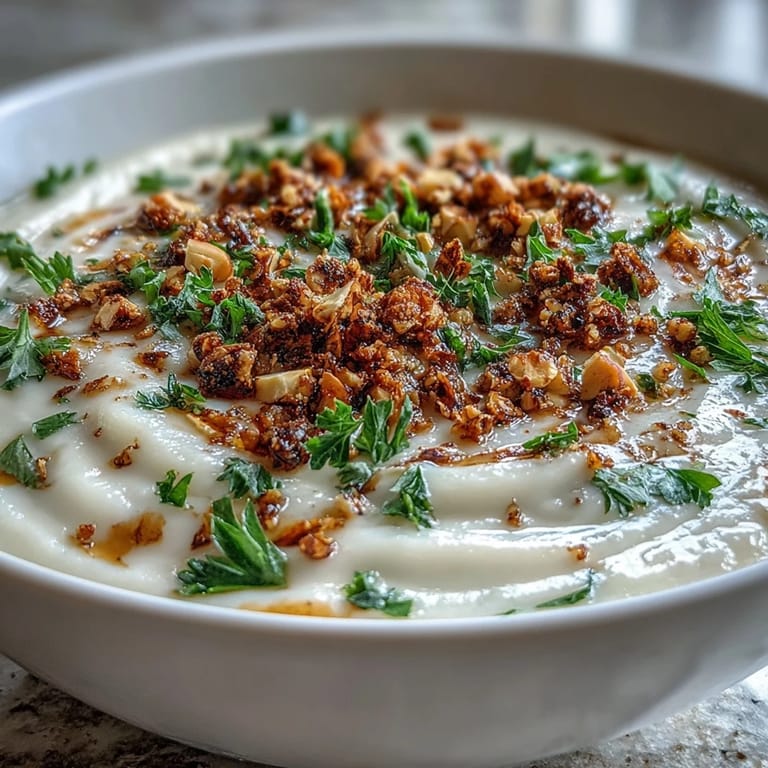
 The first time I made celeriac soup was on a blustery autumn afternoon when the farmers market had an abundance of those strange, gnarly root vegetables I'd always passed by. There was something so satisfying about transforming that humble, knobbly root into something elegant and silky. The kitchen filled with a subtle, earthy aroma as it roasted, and I knew this wasn't going to be just another soup experiment. When I added the hazelnut crumble, that perfect textural contrast, I couldn't believe I'd waited so long to try cooking with celeriac.
Last winter, I served this at a casual dinner gathering, and my friend Sarah, who typically avoids anything unfamiliar, asked for seconds and then the recipe. The soup was still steaming as everyone fell silent for those first few spoonfuls, and I watched their expressions change from curiosity to delight. Even my partner, who claims to dislike creamy soups, now requests this one specifically when the weather turns cold. Sometimes the most unexpected dishes become the ones friends remember long after the evening ends.
Ingredients
- Celeriac: Look for firm, heavy specimens without soft spots, and dont be put off by their appearance, as even the ugliest ones can make the most delicious soup.
- Potato: This humble addition is actually your secret weapon for achieving that perfect velvety texture without needing tons of cream.
- Hazelnuts: Splurge on good quality ones if you can, as theyre the star of the crumble and their nutty flavor makes all the difference against the creamy background.
- Nutmeg: Just a quarter teaspoon creates magic with celeriac, enhancing its natural flavor without overwhelming it.
- Heavy cream: This adds luxurious richness, but Ive made it without when serving dairy-sensitive friends, and it remains delicious.
Tired of Takeout? 🥡
Get 10 meals you can make faster than delivery arrives. Seriously.
One email. No spam. Unsubscribe anytime.
Instructions
- Roast the celeriac:
- Spread those diced chunks across your baking sheet, giving them space to breathe and caramelize. Youll know theyre perfect when they develop golden edges and smell wonderfully nutty.
- Build your flavor base:
- Take your time with the onion and garlic, letting them soften and become translucent but not brown. This gentle cooking releases their sweetness without any harsh notes.
- Simmer to tenderness:
- Keep the heat low and steady as the vegetables soften in the broth. You want everything to practically melt when pressed against the side of the pot.
- Create the crumble:
- Watch those hazelnuts like a hawk as they toast, as they can go from perfect to burnt in seconds. When you smell their intense aroma wafting up, thats your cue theyre ready.
- Blend until silky:
- Patience is key here, keep blending until you cant feel any grainy bits when you rub the soup between your fingers. For the ultimate smoothness, you might need to blend a minute longer than you think necessary.
- Season with care:
- Taste before adding all the salt, as different vegetable broths have varying sodium levels. Add the nutmeg right at the end to preserve its aromatic qualities.
- Serve with style:
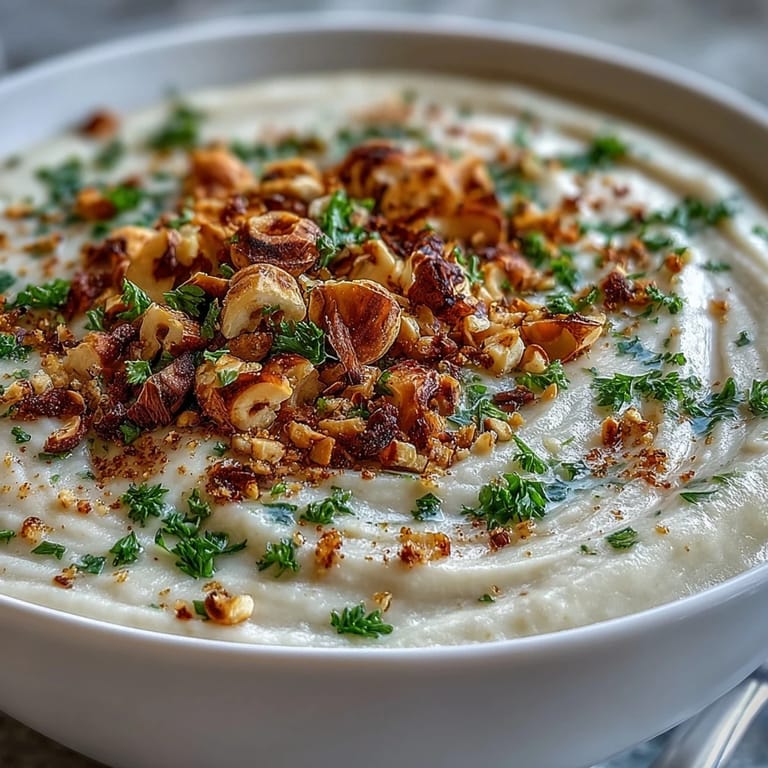
- Ladle the soup into warmed bowls so it stays hot longer. Scatter the hazelnut crumble generously just before serving so it maintains its delightful crunch.
 Save to Pinterest
 One chilly evening, my neighbor dropped by unexpectedly just as I was finishing this soup. What was meant to be a quick hello turned into hours of conversation at my kitchen table, with empty soup bowls between us and the hazelnut crumble container mysteriously emptied. Sometimes I think the best recipes arent just about the food, but about how they create these unexpected moments of connection. We still talk about that impromptu dinner whenever we pass each other in the hallway.
Make-Ahead Options
Ive learned through multiple dinner parties that this soup actually improves after a day in the refrigerator, making it perfect for planning ahead. The flavors meld and deepen overnight, though I always make the hazelnut crumble fresh just before serving to maintain that crucial textural contrast. When reheating, do it gently over low heat and stir occasionally to prevent any scorching at the bottom of the pot. If the soup thickens too much after refrigeration, simply add a splash of broth or water until it reaches your desired consistency again.
Seasonal Variations
The basic template of this soup has become my creative playground throughout the year. In spring, I sometimes add a handful of tender young peas right at the end for bright bursts of sweetness and color. Summer brings the option to serve it chilled with a drizzle of herb oil on top, surprisingly refreshing on hot days. Fall calls for a dash of apple cider stirred in, echoing harvest flavors. Winter versions might include a tablespoon of cognac or a sprinkle of smoked paprika for added warmth. The celeriac base remains a constant, but these small tweaks keep the recipe feeling fresh no matter when Im making it.
Serving Suggestions
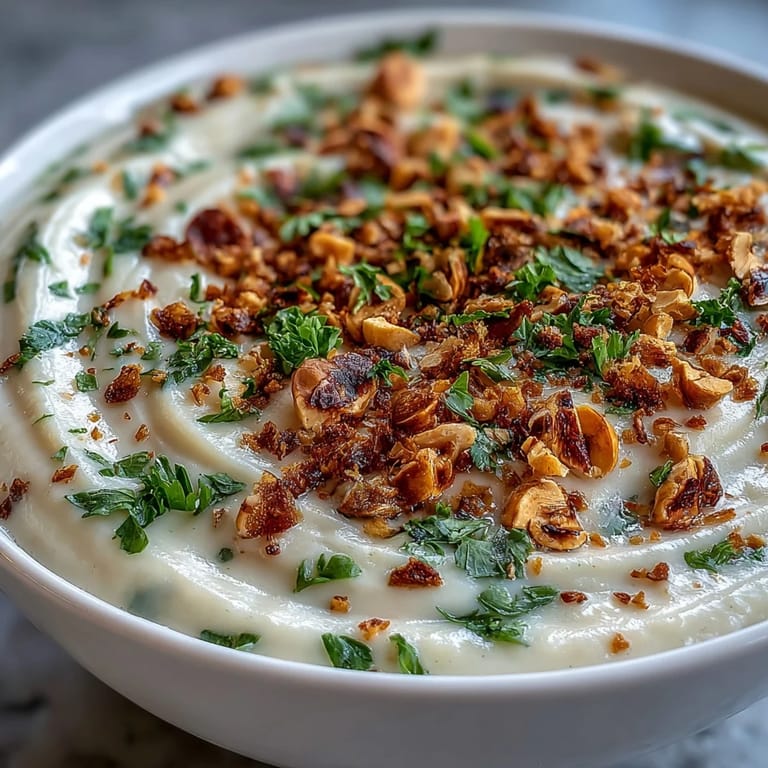
Over time, Ive developed my own little rituals around serving this soup that elevate the whole experience. A small bowl of extra hazelnut crumble passed at the table lets guests add more crunch as they eat, solving that eternal soup problem where toppings sink and soften too quickly. Sometimes I arrange thin slices of pear or apple alongside for a fresh counterpoint to the earthy soup, finding the fruit cleanses the palate between spoonfuls. If youre serving this as a starter, keep portions modest, about three-quarters of a cup per person, as its surprisingly filling despite its elegance.
- For a complete meal, pair with a simple green salad dressed with a light vinaigrette to cut through the soups richness.
- Keep any accompanying bread on the rustic side, like a grainy sourdough or walnut bread that complements the earthy flavors.
- If serving wine, opt for something with good acidity like a Sancerre or unoaked Chardonnay to balance the creamy texture.
 Save to Pinterest
 This soup has taught me that the most unassuming ingredients often create the most memorable dishes. Whenever I make it now, I think about all the people Ive shared it with and how something so simple can create such a moment of comfort and connection.
Recipe Questions & Answers
- → What does celeriac taste like?
Celeriac has a mild, celery-like flavor with subtle earthy undertones and a slightly sweet, nutty finish. When roasted, these flavors become more concentrated and the vegetable develops a pleasant sweetness that pairs beautifully with creamy preparations.
- → Can I make this soup ahead of time?
Absolutely. The soup base actually improves after resting overnight in the refrigerator as flavors meld together. Prepare everything except the hazelnut crumble up to two days in advance, then reheat gently and top with freshly made crumble just before serving for the best texture contrast.
- → How do I achieve the smoothest texture?
Roasting the celeriac first softens the fibers significantly, helping it blend more easily. Use an immersion blender directly in the pot for convenience, or work in batches with a high-speed stand blender. For the silkiest results, blend for a full two to three minutes and strain through a fine-mesh sieve if any fibrous pieces remain.
- → What can I substitute for hazelnuts?
Walnuts make an excellent alternative with their earthy profile, while pecans add sweetness. For those avoiding nuts entirely, toasted pumpkin seeds or sunflower seeds provide similar crunch. Even crispy fried shallots or croutons work well to maintain that essential textural contrast against the smooth soup.
- → Is this suitable for freezing?
The soup base freezes beautifully for up to three months. Cool completely before transferring to freezer-safe containers, leaving some headspace for expansion. Thaw overnight in the refrigerator and reheat slowly over medium-low heat, adding a splash of cream or broth if it seems too thick. Make the hazelnut crumble fresh when serving.
- → How can I make this vegan?
Simply swap the heavy cream for full-fat coconut cream, cashew cream, or oat cream. Use olive oil instead of butter in both the soup base and crumble topping. The result remains equally luxurious and satisfying, with the hazelnuts providing plenty of rich flavor and body to the finished bowl.