 Save to Pinterest
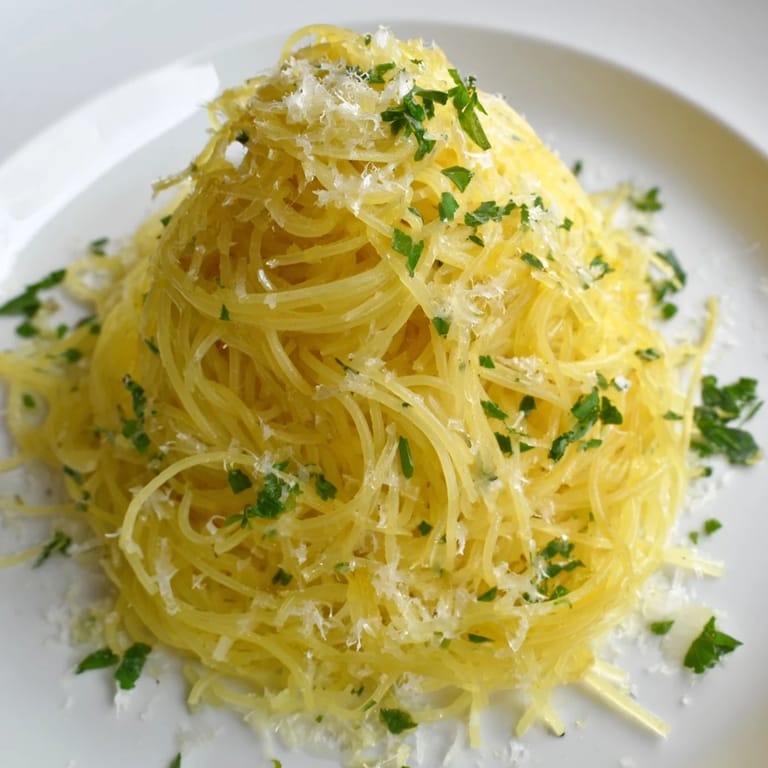
 There's something about the smell of lemon zest hitting a hot pan that makes everything feel like a celebration, even on a Tuesday night when you're standing over the stove in your regular clothes. I discovered this capellini years ago when I was rushing through dinner prep, armed with nothing but a box of angel hair pasta, a couple of lemons I'd almost forgotten about, and a stick of butter. What emerged was so effortlessly elegant that I started making it whenever I needed to feel like I'd actually tried, even when the effort was minimal. Now it's become my quiet go-to when the day has been long and the kitchen needs something honest and fast.
I made this for my sister one rainy afternoon when she showed up unannounced, hungry and tired from work. She watched me move around the kitchen for ten minutes, and when she tasted it, she got quiet for a moment—the good kind of quiet. Then she asked for the recipe, which I somehow had never written down properly before that day. That's when I realized this wasn't just a weeknight dinner anymore; it was the kind of dish that stays with people.
Ingredients
- Capellini (350 g): Angel hair pasta is paper-thin and cooks in just minutes, so don't wander off—it goes from perfect to overcooked faster than you'd think.
- Unsalted butter (60 g): This is where the magic lives, so use good butter that you'd actually eat on toast.
- Lemon zest (from 2 lemons): Zest before you juice, trust me on this, and use a microplane if you have one because those little shreds of brightness matter.
- Fresh lemon juice (from 2 lemons): Bottled juice will make you sad—real lemons take thirty seconds and change everything.
- Reserved pasta water (60 ml): This starchy liquid is the emulsifier that binds everything into silky harmony instead of a greasy mess.
- Freshly grated Parmesan (50 g): Block cheese, grated by your own hands, tastes completely different from what comes pre-shredded in bags.
- Fresh herbs (parsley, basil, chives): These aren't decoration—they're the whole point at the end, so don't skip them or rush them.
- Black pepper and salt: These aren't afterthoughts; they're the bridge between components.
Tired of Takeout? 🥡
Get 10 meals you can make faster than delivery arrives. Seriously.
One email. No spam. Unsubscribe anytime.
Instructions
- Start the water and get ready:
- Fill a large pot with water, salt it generously until it tastes like the sea, and turn the heat up high. While you're waiting for the boil, zest your lemons over a small bowl and juice them into another—this takes two minutes and sets you up to move fast.
- Cook the pasta with attention:
- Once the water is rolling, add your capellini and set a timer for 2 to 3 minutes. Capellini is delicate, almost fragile, so stir it once after thirty seconds so it doesn't clump. When it's just barely tender, scoop out a measuring cup of pasta water before you drain everything.
- Build the sauce base:
- Melt your butter in a large skillet over medium heat, then immediately add the lemon zest and let it sit for maybe 30 seconds—you want those little shreds to release their oils into the warm butter, filling your kitchen with something that smells like possibility.
- Bring the sauce together:
- Pour in the lemon juice and the pasta water you reserved, stir it all together, and let it simmer quietly for just a minute so the flavors can introduce themselves to each other.
- Toss everything into balance:
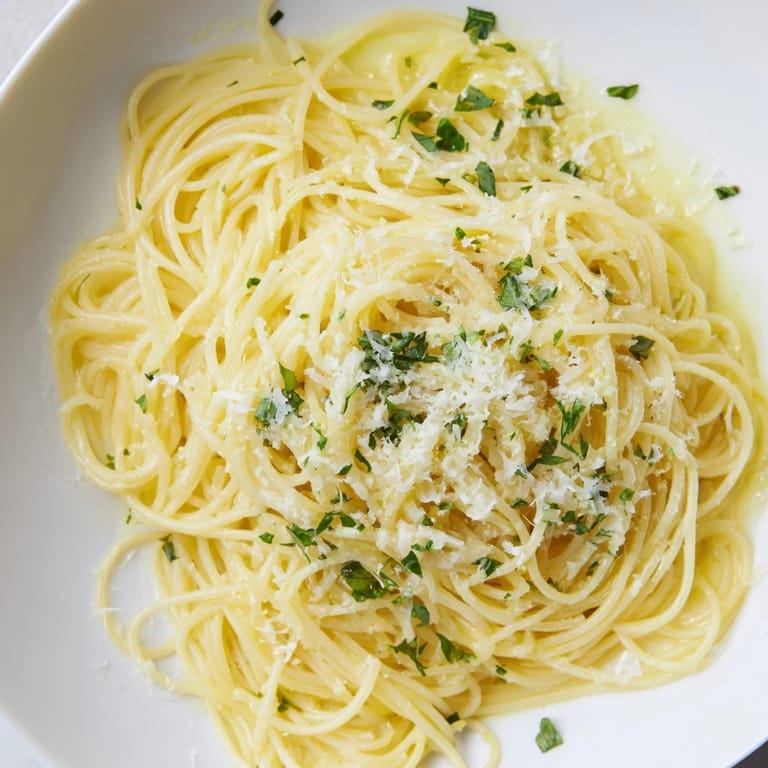
- Add your drained pasta to the skillet and toss gently with tongs or a fork, moving slowly enough to feel in control but quickly enough that the pasta soaks up the sauce. Sprinkle in the Parmesan and crack black pepper over everything, tossing once more until the cheese melts and the sauce becomes silky and clings to each strand.
- Add the life at the end:
- Remove from heat, scatter in your fresh herbs, and toss one final time, being gentle so the herbs stay bright and visible. If everything looks too tight or thick, splash in a little more pasta water—you're looking for a sauce that moves when you move the plate.
- Serve with intention:
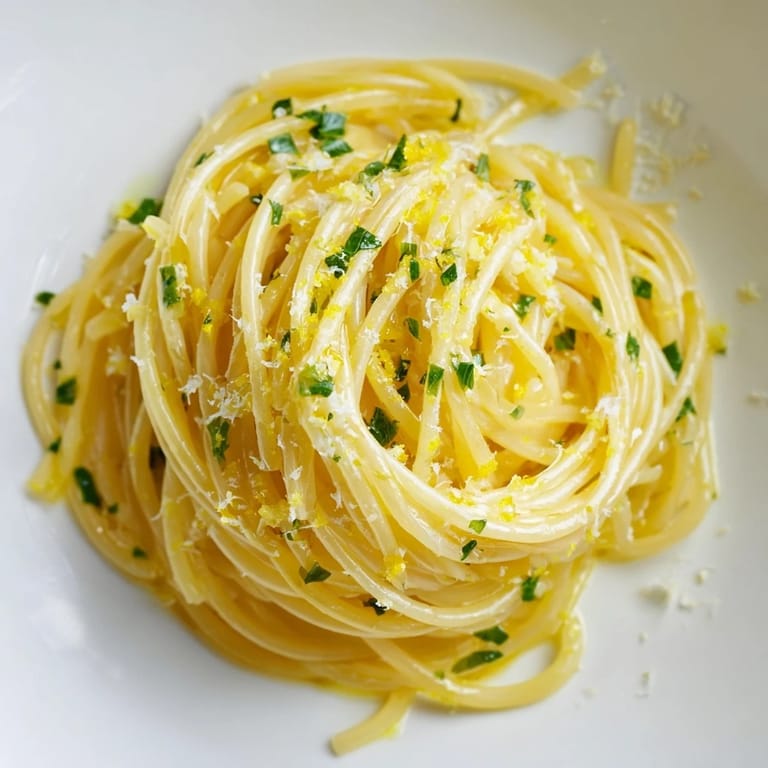
- Divide among bowls immediately while everything is still warm and the herbs are still singing, then top with extra lemon zest and Parmesan if you want to make it feel like a special night.
 Save to Pinterest
 There was a night when someone asked me what my favorite meal was, and I thought about all the complicated dishes I've made, and then I came back to this. It's not fancy, but it's become the thing I make when I want to remember that sometimes the simplest choices are the ones that matter most.
Why This Works as Fast Food
The whole thing lives in a 20-minute window, which means it fits into real life in a way that most elegant food doesn't. You're not mise en place-ing for an hour or tending something on the stove while it slowly comes together—you're moving with purpose for a few minutes and then you're eating something that tastes like you knew what you were doing all along. That's not luck; it's the power of choosing ingredients that do the work for you.
The Lemon Situation
Lemon isn't just an ingredient here; it's the entire personality of the dish. The juice brings brightness and acid that makes your mouth wake up, while the zest carries those tiny oil pockets that smell like sunshine and make people lean in closer to understand what they're eating. I once tried this with bottled lemon juice out of convenience, and it tasted flatter, duller, less like celebration and more like an obligation. Fresh lemons take one minute longer and change everything.
Building Layers of Flavor
This dish teaches you something important about how flavors live together. The butter carries the lemon zest, the pasta water carries the emulsion, the Parmesan adds a salty depth, and then the herbs arrive at the end like a punchline that makes the whole joke land better. Each element is doing its job, and the magic isn't that they're complicated—it's that they're working in the right order. Once you understand this, you start seeing it everywhere in cooking.
- Toast the lemon zest in butter for 30 seconds longer if your kitchen is cold or your stove runs cool—you want those oils to really bloom.
- If you're cooking for guests, you can prep the zest and juice an hour ahead, but don't add the herbs until the last moment or they'll start to turn dark and tired.
- This dish doesn't really scale down—four servings is kind of the minimum because the flavors need room to breathe, but it doesn't get much better with more people either, so that's your sweet spot.
 Save to Pinterest
 This recipe is a reminder that you don't need to be complicated to be special. Some of the best meals are the ones built from knowing exactly what you have and trusting that simplicity, when done right, is its own kind of elegance.
Recipe Questions & Answers
- → What type of pasta works best for this dish?
Capellini, also known as angel hair pasta, is ideal due to its delicate texture that pairs well with light sauces.
- → How can I achieve a silky lemon butter sauce?
Reserve some pasta cooking water and stir it into melted butter and lemon juice to create a smooth, creamy sauce that coats the pasta evenly.
- → Can I substitute fresh herbs in this dish?
Parsley, basil, and chives provide fresh, bright flavors, but you may experiment with tarragon or thyme for different herbaceous notes.
- → Is there a way to add more richness to the dish?
Stirring in mascarpone or crème fraîche before serving adds creamy richness without overpowering the lemon flavor.
- → How can I adapt this for a gluten-free diet?
Use gluten-free capellini or angel hair pasta to maintain the light texture while accommodating gluten restrictions.
- → What protein options complement this preparation?
Sautéed shrimp or grilled chicken blend well with the citrus and herb flavors, adding heartiness to the dish.