 Save to Pinterest
 The first time I made parsnip soup was during an unexpected autumn snowfall. I had a basket of root vegetables from the farmers market and was craving something warm as the flakes gathered on my windowsill. The kitchen filled with the sweet, earthy aroma of roasting parsnips, transforming what I thought would be a simple meal into something magical. What began as improvisation has become a cold-weather ritual in my home.
Last winter, I served this soup as a starter for a dinner with friends who had driven through a rainstorm to visit. Everyone fell silent after the first spoonful, and my friend Marcus, who normally pushes vegetables aside, asked for seconds. The soup had warmed more than just our bodies that night, creating a moment of comfort that somehow made the storm outside feel miles away.
Ingredients
- Parsnips: Choose firm, medium-sized ones as the really large ones can have woody cores that affect the texture.
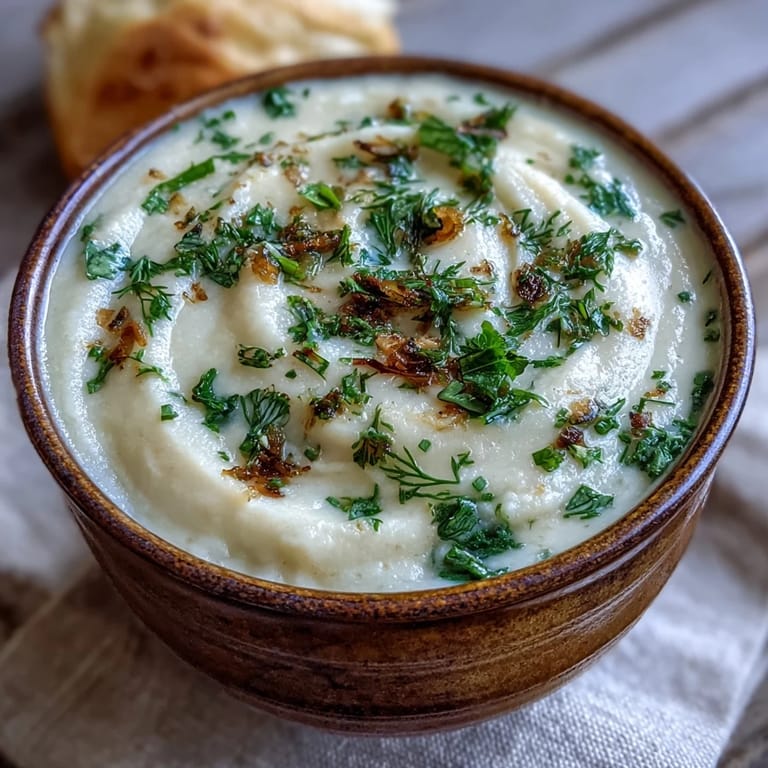
- Fresh herbs: The combination of parsley, chives and dill creates a spring-like brightness that balances the earthy sweetness of the roasted vegetables.
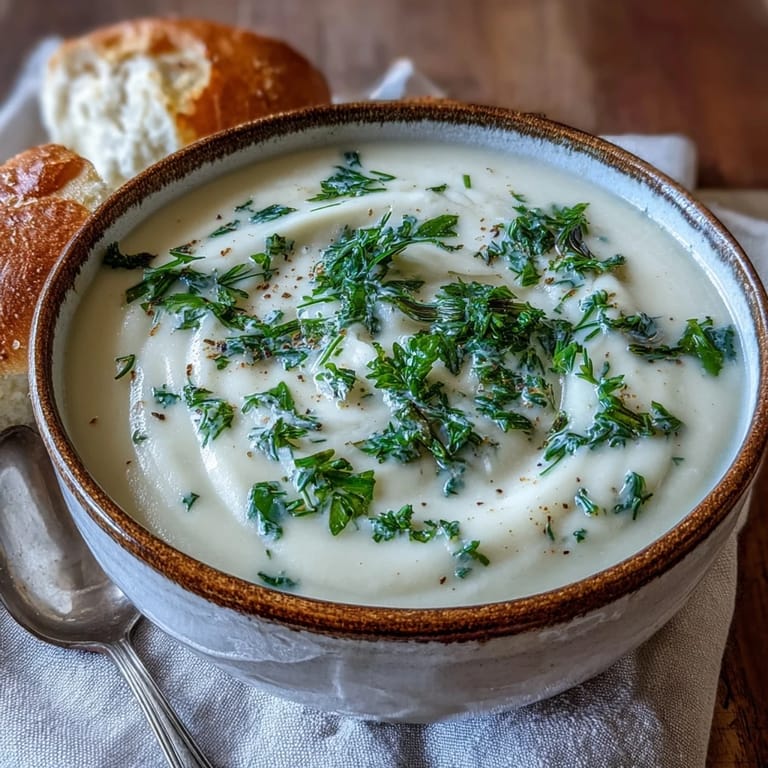
- White pepper: I use this instead of black pepper specifically for light-colored soups, preserving the creamy appearance while adding gentle warmth.
- Potato: This humble addition is actually crucial as it gives the soup a silky texture without needing excessive cream.
Tired of Takeout? 🥡
Get 10 meals you can make faster than delivery arrives. Seriously.
One email. No spam. Unsubscribe anytime.
Instructions
- Roast the aromatics:
- Spread your parsnips, onion, and garlic on a baking tray with a generous drizzle of olive oil, making sure they have breathing room. The kitchen will fill with an incredible caramelized sweetness as they transform in the oven.
- Simmer gently:
- When combining the roasted vegetables with the potato and stock, allow them to bubble slowly so the flavors meld without becoming too aggressive. You can tell its ready when the potato pieces break apart easily with gentle pressure.
- Blend with purpose:
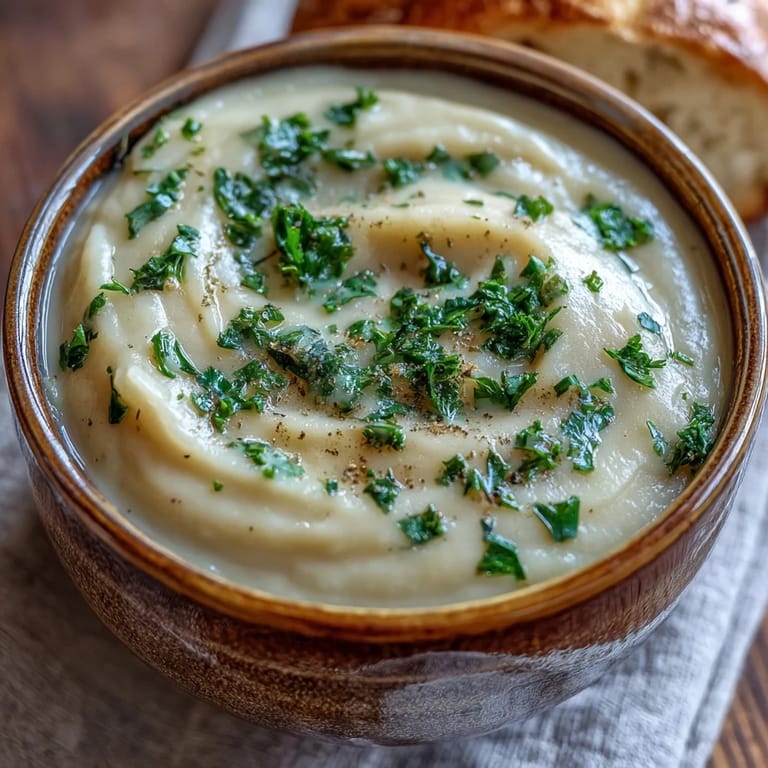
- Take your time with the blending step, allowing the machine to run until the soup becomes completely velvety. I sometimes strain mine through a fine sieve for restaurant-quality smoothness.
- Season thoughtfully:
- Always taste before adding salt, as vegetable stocks can vary greatly in sodium content. Add salt little by little, stirring and tasting between additions.
- Finish with fresh herbs:
- Stir most of the herbs directly into the hot soup just before serving, reserving a small amount for garnish. The residual heat will release their essential oils without dulling their color.
 Save to Pinterest
 One particularly memorable autumn evening, I served this soup to my sister after she received some difficult news. We sat quietly at my kitchen table, steam rising from our bowls, and gradually her worried expression softened. Sometimes the simplest foods provide the deepest comfort, and this soup has become my go-to offering when words arent enough.
Make-Ahead Options
Ive learned through countless dinner parties that this soup actually improves with time. You can prepare it up to three days ahead and refrigerate, though I recommend adding the fresh herbs only upon reheating. The flavors deepen and meld together beautifully, making it an ideal stress-free starter when entertaining.
Serving Suggestions
The pale golden color of this soup creates a beautiful canvas for creativity. A small swirl of olive oil creates a marbled effect that looks stunning against the creamy background. My photographer friend once spent ten minutes capturing the perfect image before finally digging in, declaring it was as delicious as it was photogenic.
Variations Worth Trying
While I adore the classic version, Ive experimented with seasonal adaptations that have all been delightful in their own way. Adding a handful of wild mushrooms to the roasting pan introduces an earthy dimension perfect for midwinter gatherings, while stirring in a spoonful of miso paste before serving adds umami depth that meat-eaters particularly appreciate.
- For a more indulgent version, replace 100ml of the milk with heavy cream and finish with a drizzle of truffle oil.
- Add a teaspoon of grated ginger to the vegetables before roasting for a warming kick that pairs beautifully with the sweetness of the parsnips.
- Substitute half the parsnips with roasted pears for an unexpected sweet-savory twist that works wonderfully for special occasions.
 Save to Pinterest
 This humble soup has taught me that sometimes the most unassuming ingredients hold the greatest potential for comfort. Each steaming bowl connects us to the earth, the seasons, and to each other in ways that fancy dishes rarely can.
Recipe Questions & Answers
- → What does parsnip soup taste like?
Parsnip soup has a naturally sweet, earthy flavor with subtle nutty undertones. Roasting the parsnips first deepens their sweetness and adds caramelized notes, while the fresh herbs bring brightness to balance the richness.
- → Can I freeze this soup?
Yes, this soup freezes beautifully. Cool completely before transferring to airtight containers or freezer bags. It will keep for up to 3 months. Thaw overnight in the refrigerator and reheat gently, adding a splash of milk if needed to restore consistency.
- → What herbs work best in parsnip soup?
Parsley, chives, and dill create a classic combination that complements parsnips' sweetness. Fresh thyme adds earthy depth during cooking. Other good options include tarragon, chervil, or a small amount of rosemary for a more piney note.
- → How do I get the smoothest texture?
Roasting the vegetables until completely tender is key. Use a high-speed blender or powerful immersion blender, and blend longer than you think necessary—about 2-3 minutes. Straining through a fine-mesh sieve removes any remaining fibers for restaurant-quality smoothness.
- → What can I serve with parsnip soup?
Crusty bread, toasted sourdough, or warm dinner rolls are perfect for soaking up the creamy broth. A light green salad with vinaigrette balances the richness. For a heartier meal, top with crumbled bacon or serve alongside a cheese toastie.
- → Why add potato to parsnip soup?
Potato acts as a natural thickener, adding body and creaminess without needing heavy cream. Its mild flavor lets the parsnips shine while creating a velvety texture that feels luxurious despite being relatively light.