 Save to Pinterest
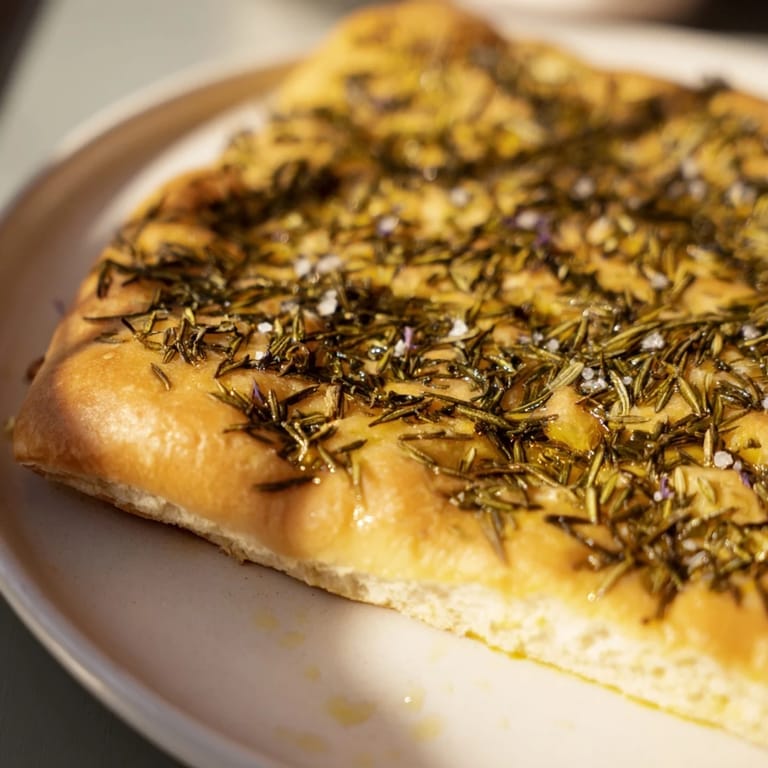
 I first made these flatbreads on a Tuesday night when I had nothing planned for dinner and even less energy to run to the store. I pulled out some yogurt from the back of the fridge, grabbed the flour canister, and within half an hour the kitchen smelled like a bakery. The rosemary was from a little pot on the windowsill, and the flaky salt made each bite taste like I'd actually tried. Now I make them all the time, sometimes just because I want the house to smell good.
I remember making these for a last-minute dinner with friends who showed up hungry and unannounced. I rolled out the dough while they opened wine, and by the time the first flatbread hit the skillet, everyone had gathered around the stove. We ate them straight from the pan, still too hot to hold, dipping them into olive oil and laughing about how something this easy had no right to taste that good. One friend asked for the recipe three times before she left.
Ingredients
- All-purpose flour: This is the backbone of the dough, and I've never had a problem with regular white flour; just spoon it into the cup and level it off so you don't pack it too tight.
- Baking powder: This is what gives the flatbread a little lift and that perfect chewy texture without waiting around for yeast to do its thing.
- Fine sea salt: It goes into the dough to season it from the inside, so don't skip it or the bread will taste flat.
- Plain Greek yogurt: Full-fat or low-fat both work, but I like the tang it adds and how it keeps the flatbread soft even after it cools down.
- Olive oil: You'll mix some into the dough and brush more on top before cooking; it adds flavor and helps the rosemary stick.
- Fresh rosemary: Chop it fine so every bite gets a little hit of that piney, earthy flavor; dried works too, but use less.
- Flaky sea salt: This is the finishing touch that makes each piece taste special, like little crunchy bursts of salt on your tongue.
Tired of Takeout? 🥡
Get 10 meals you can make faster than delivery arrives. Seriously.
One email. No spam. Unsubscribe anytime.
Instructions
- Mix the Dry Ingredients:
- In a big bowl, whisk together the flour, baking powder, and fine sea salt until everything is evenly combined. It only takes a few seconds, but it makes sure the leavening is spread out so you don't get weird dense spots.
- Add the Wet Ingredients:
- Drop in the yogurt and olive oil, then stir with a wooden spoon or your hands until it comes together into a shaggy, sticky dough. Don't worry if it looks rough; that's exactly what you want.
- Knead the Dough:
- Turn it out onto a lightly floured counter and knead for just 2 to 3 minutes until it feels smooth and a little elastic. If it's too sticky, dust your hands with a tiny bit more flour.
- Divide and Roll:
- Cut the dough into 4 equal pieces, roll each into a ball, then flatten them with a rolling pin into rounds about a quarter inch thick. They don't have to be perfect circles; rustic looks better anyway.
- Heat the Skillet:
- Get a large skillet or griddle really hot over medium-high heat. You want it hot enough that a drop of water sizzles and dances across the surface.
- Brush and Top:
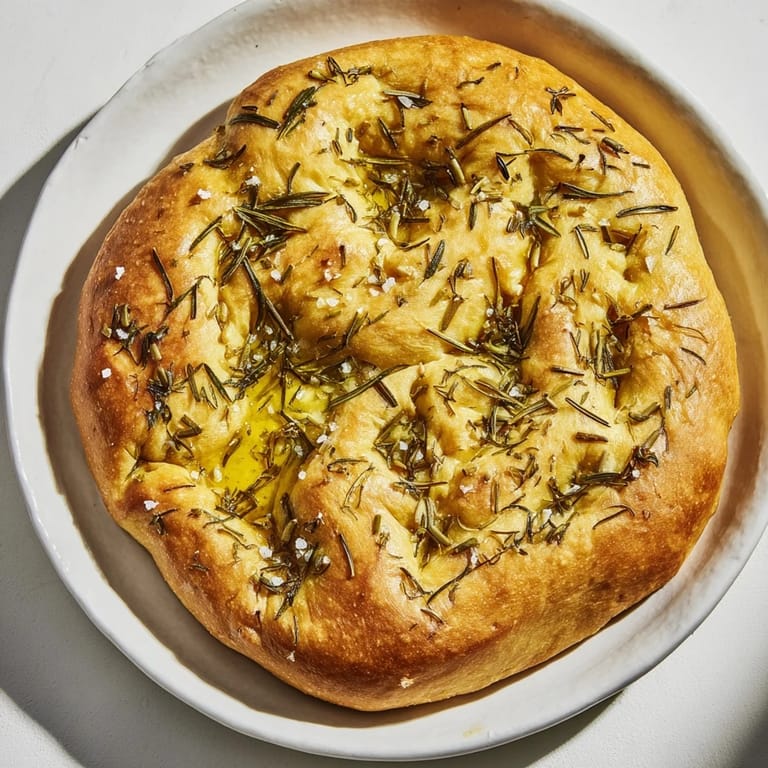
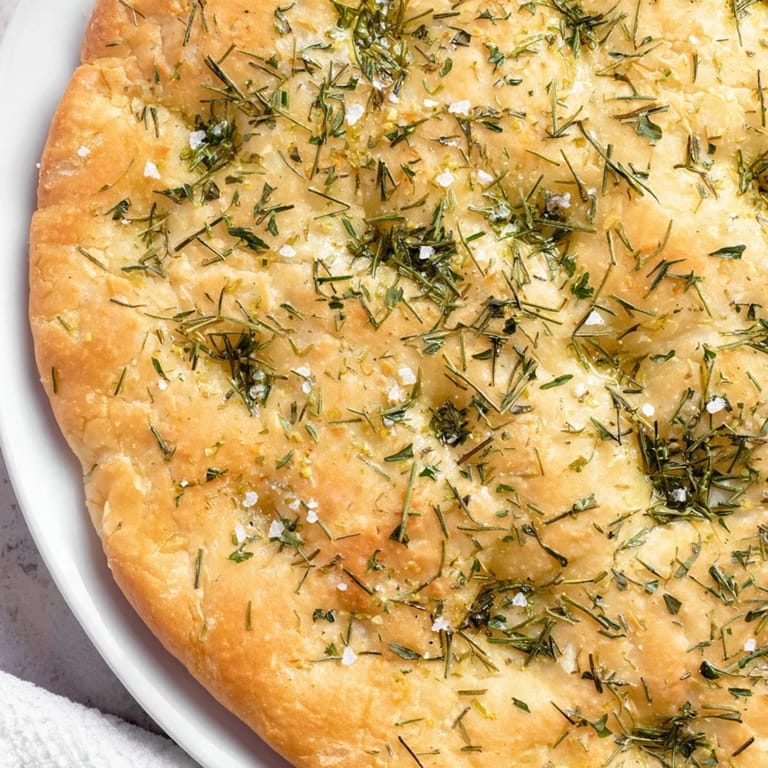
- Brush one side of each flatbread with olive oil, lay it oiled side down in the hot pan, then brush the top and sprinkle on the rosemary and flaky salt. The smell when the rosemary hits the heat is incredible.
- Cook Until Golden:
- Let it cook for 2 to 3 minutes until the bottom is golden with dark toasty spots, then flip and cook the other side. You'll see it puff up a little, and that's when you know it's working.
- Serve Warm:
- Pull them off the skillet and serve right away while they're still warm and soft. They're best eaten within the first hour, but they reheat beautifully in a dry pan.
 Save to Pinterest
 There was an evening last spring when I made these to go with a big salad, and my daughter grabbed one off the cooling rack and just stood there eating it with her eyes closed. She didn't say anything for a full minute, then looked at me and said, Can we have these every week? Now it's become our Thursday thing, and I don't mind one bit because it makes the whole house feel cozy and loved.
Flavor Variations You'll Want to Try
Once you've made the basic version a few times, it's fun to play around with the toppings and mix-ins. I've folded minced garlic right into the dough for a punch of flavor, and I've sprinkled chili flakes on top when I wanted a little heat. Za'atar is another favorite; just brush the flatbread with olive oil and dust it on before cooking. Sometimes I'll add a handful of grated Parmesan to the dough itself, and it comes out with these crispy, cheesy edges that disappear faster than I can make them.
Serving Suggestions
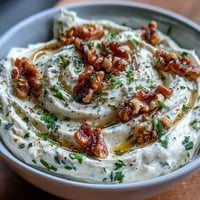
These flatbreads are incredibly versatile and work with just about anything you're serving. I love tearing them into pieces and dipping them into hummus, tzatziki, or baba ganoush for an easy appetizer. They're also perfect alongside grilled chicken, lamb, or a big Greek salad, and I've even used them as a base for flatbread pizzas by topping them with marinara, mozzarella, and whatever's in the fridge. When I'm feeling lazy, I just drizzle them with good olive oil and eat them warm on their own.
Storage and Reheating
If you have any leftovers, let them cool completely, then stack them with a piece of parchment between each one and store them in an airtight container or zip-top bag. They'll keep at room temperature for a day or two, or you can refrigerate them for up to five days. To reheat, just warm them in a dry skillet over medium heat for about 30 seconds per side, and they'll soften right back up and taste almost as good as fresh.
- You can also freeze them for up to a month; just thaw and reheat in a skillet when you're ready.
- Don't microwave them or they'll turn rubbery; the skillet method is always best.
- If you're making them ahead for a party, keep them wrapped in a clean kitchen towel to stay soft until serving.
 Save to Pinterest
 Every time I make these, I'm reminded that some of the best things in cooking are the simplest. I hope these flatbreads become a staple in your kitchen the way they have in mine.
Recipe Questions & Answers
- → How do I achieve a chewy texture in the flatbread?
Using Greek yogurt adds moisture and tenderness, while kneading the dough for a few minutes helps develop gluten, producing a chewy consistency.
- → Can this flatbread be cooked without a skillet?
A hot griddle or cast-iron pan works just as well to create golden spots and even cooking on the flatbread.
- → What is the purpose of olive oil in the dough and during cooking?
Olive oil adds richness to the dough and prevents sticking during cooking while enhancing flavor and creating a crisp exterior.
- → Can I substitute fresh rosemary with dried rosemary?
Yes, but reduce dried rosemary to about 1 teaspoon, as its flavor is more concentrated than fresh.
- → How should I store leftover flatbreads?
Store cooled flatbreads in an airtight container at room temperature for up to 2 days or refrigerate to extend freshness.