 Save to Pinterest
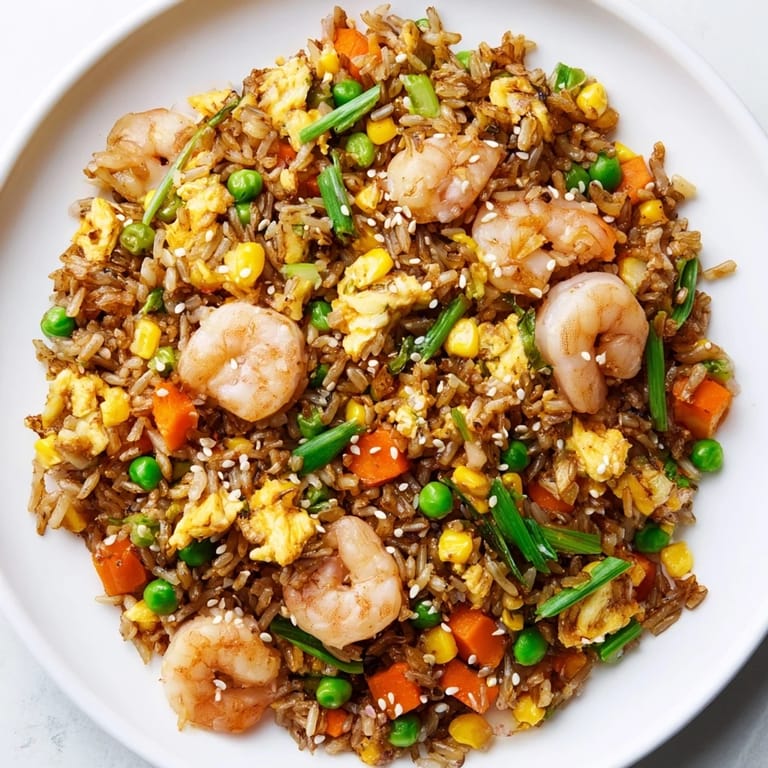
 There's something almost magical about the moment a wok hits the right temperature and your ingredients start dancing together. I discovered this shrimp fried rice hack on a chaotic Tuesday night when I had fifteen minutes to get dinner on the table, a nearly empty fridge, and two hungry people waiting. What emerged was faster than any takeout could deliver, tasted better than what we'd pay for, and suddenly became the recipe I find myself craving on the busiest evenings.
The first time I made this for friends who claimed they couldn't cook, I let one of them take over at the wok while I handled the mise en place. Watching their face light up as the rice transformed from clumpy and cold into separated, glossy grains—that's when I knew this recipe was special. They left convinced they'd discovered some profound culinary truth, when really they'd just learned that good timing and hot oil solve most problems.
Ingredients
- Medium shrimp (200 g / 7 oz), peeled and deveined: The backbone of this dish—they cook in moments, so don't overthink it.
- Large eggs (2): These create little pockets of richness throughout the rice; beating them loosely gives you tender scrambled pieces rather than tough bits.
- Frozen mixed vegetables (100 g / 1 cup): No need to thaw, and honestly, they're fresher than fresh because they're frozen at peak ripeness.
- Scallions (2), sliced: Use both the white and green parts—the white adds a subtle bite, the green adds color and a fresh finish.
- Cooked jasmine rice (300 g / 2 cups), chilled, preferably day-old: This is non-negotiable; warm rice will clump no matter what you do, so plan ahead or spread cooked rice on a plate to cool quickly.
- Soy sauce (2 tbsp): The umami glue holding everything together—use full-sodium for best results.
- Oyster sauce (1 tbsp, optional): Adds a subtle sweetness and depth that makes people ask what's different.
- Sesame oil (1 tsp): A little goes a long way; this finishes the dish with warmth and toasted flavor.
- Ground white pepper (1/2 tsp): Subtler than black pepper and gives a gentle heat without visible specks.
- Vegetable oil (1 tbsp): High smoke point is essential here; you need your pan genuinely hot.
Tired of Takeout? 🥡
Get 10 meals you can make faster than delivery arrives. Seriously.
One email. No spam. Unsubscribe anytime.
Instructions
- Get your pan smoking hot:
- Heat the vegetable oil in a large nonstick skillet or wok over medium-high heat until you see wisps of smoke and the pan seems almost dangerously hot. This is the moment that matters most.
- Sear the shrimp:
- Slide the shrimp into the hot pan and let them sit without moving for about ninety seconds before stirring. They'll turn that coral pink, and you'll know they're done the moment they stop being translucent; two to three minutes total. Remove them to a plate and feel accomplished.
- Scramble the eggs:
- Pour your beaten eggs into the same pan and let them start to set for a breath, then stir quickly and gently until they're still slightly wet and custardy. Push them to one side of the pan and keep that heat high.
- Warm the vegetables:
- Add the frozen vegetables to the empty side of the pan and give everything a toss. They'll release a little steam and soften within a minute, filling your kitchen with that homey vegetable smell.
- Add the rice and break it free:
- Dump in your cold rice and start breaking it apart with your spatula, chopping and stirring until no clumps remain. You're looking for separate grains coated with heat, which takes about two minutes of constant motion.
- Bring it all together:
- Return the shrimp to the pan, pour in the soy sauce, oyster sauce, sesame oil, and white pepper. Stir everything rapidly until the sauces coat every grain and the shrimp is warmed through again.
- Finish with scallions:
- Toss in your sliced scallions and give it one final minute of stirring. Taste quickly and adjust—if you need more soy sauce or a pinch more pepper, now's the moment.
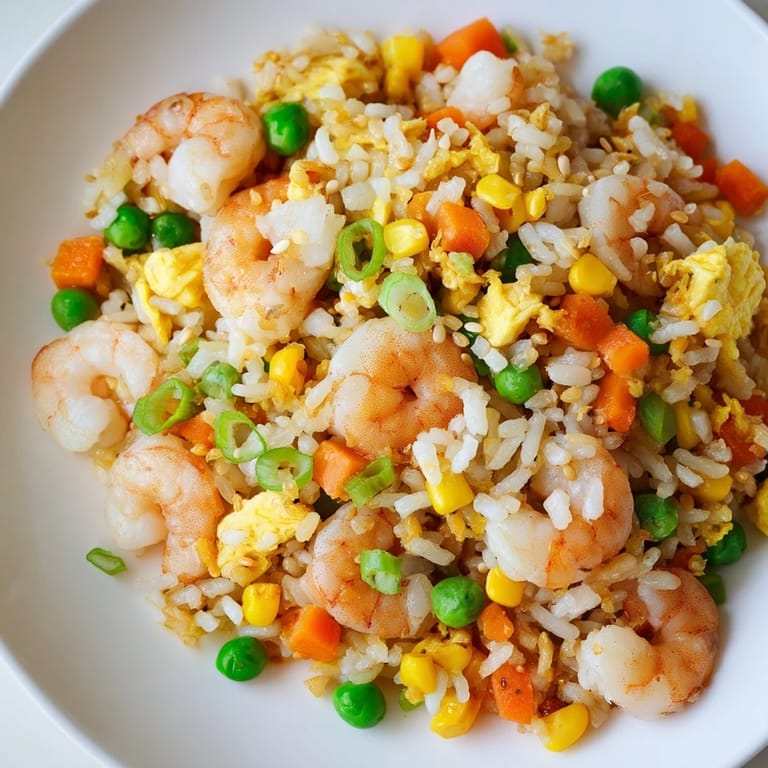 Save to Pinterest
 I made this on a Sunday afternoon for my partner after they'd had the kind of week that demands comfort food, and they ate directly from the wok while leaning against the counter, not bothering with a plate. That silence while someone's eating, the small sounds of appreciation—that's when cooking stops being a task and becomes something meaningful.
The Cold Rice Principle
The entire premise of this recipe hinges on one counterintuitive truth: the rice needs to be cold. Warm rice has too much moisture and sticks together stubbornly, but cold rice—especially day-old rice that's been sitting in the fridge—separates into individual grains almost instantly under heat and oil. If you don't have leftover rice, spread freshly cooked rice on a plate or sheet pan for ten minutes while you prep everything else, and it'll cool enough to work perfectly.
Why This Comes Together So Fast
The speed isn't about magic; it's about layering quick-cooking ingredients in an order that makes sense. Shrimp cooks faster than you'd think, eggs scramble in moments, frozen vegetables thaw from residual heat, and rice just needs warming since it's already cooked. Every element is chosen for its ability to go from raw or cold to perfectly done in minutes, which means you're never standing around waiting. This is efficiency that tastes intentional, not rushed.
Variations and Flavor Swaps
The beautiful thing about fried rice is how it forgives substitution and invitation. Swap the shrimp for diced chicken breast, press tofu until it's firm and cube it, or skip protein entirely if vegetables are what you're craving. A splash of fish sauce adds incredible depth if oyster sauce isn't on hand, while a drizzle of chili oil or a pinch of cayenne transforms it into something spicy and thrilling. Some nights I add cashews or peanuts for crunch, other times I finish with a raw egg yolk stirred in at the very end for richness.
- Add a beaten egg mixed into the finished rice for luxurious richness and a silkier mouthfeel.
- If you have leftover proteins—roasted chicken, cooked bacon, seared tofu—this is their moment to shine.
- A handful of mushrooms, a cup of chopped broccoli, or even shredded cabbage adapt instantly to this method.
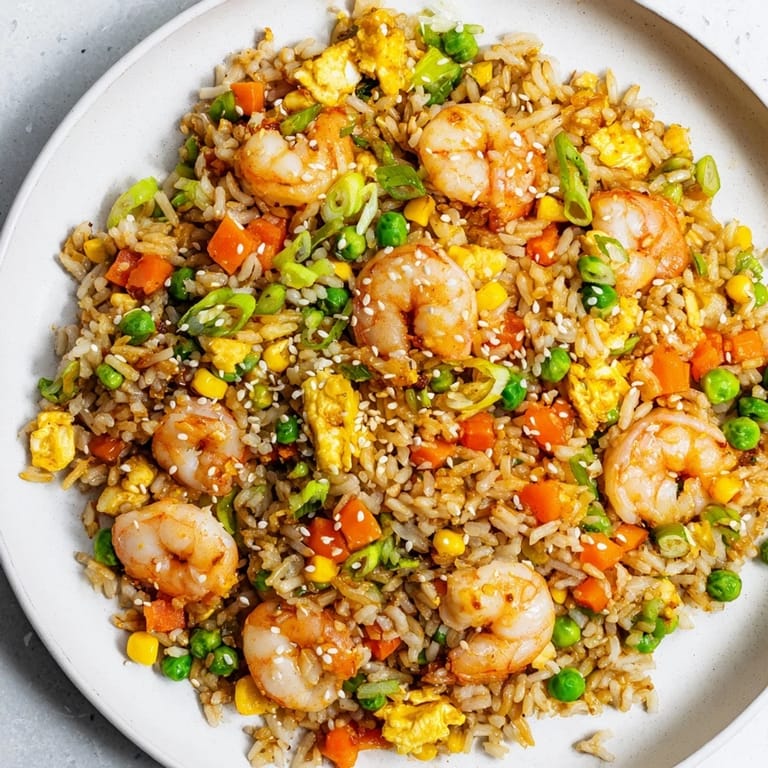 Save to Pinterest
 This recipe has become my answer to nearly every busy evening, the dish I reach for when I want something that feels restaurant-quality but asks almost nothing of me. It's proof that constraint breeds creativity and that some of the best meals come together fastest.
Recipe Questions & Answers
- → What type of rice works best for this dish?
Day-old jasmine rice is ideal as it’s drier, preventing clumps and ensuring even stir-frying.
- → Can I substitute the shrimp with other proteins?
Yes, chicken, tofu, or vegetables can be used to suit dietary preferences or availability.
- → How do I achieve a good texture with the scrambled eggs?
Quickly scramble eggs over medium-high heat until just set, then push to the side before combining with other ingredients.
- → What seasoning adds depth to the flavor?
Soy sauce, oyster sauce, sesame oil, and white pepper provide savory, nutty, and slightly spicy notes enhancing the dish.
- → Are there recommended garnishes to enhance the dish?
Sliced scallions and toasted sesame seeds add freshness and a subtle crunch to finish the stir-fry.
- → How can I add a spicy kick?
A dash of chili sauce or flakes can be incorporated to introduce heat without overpowering.