 Save to Pinterest
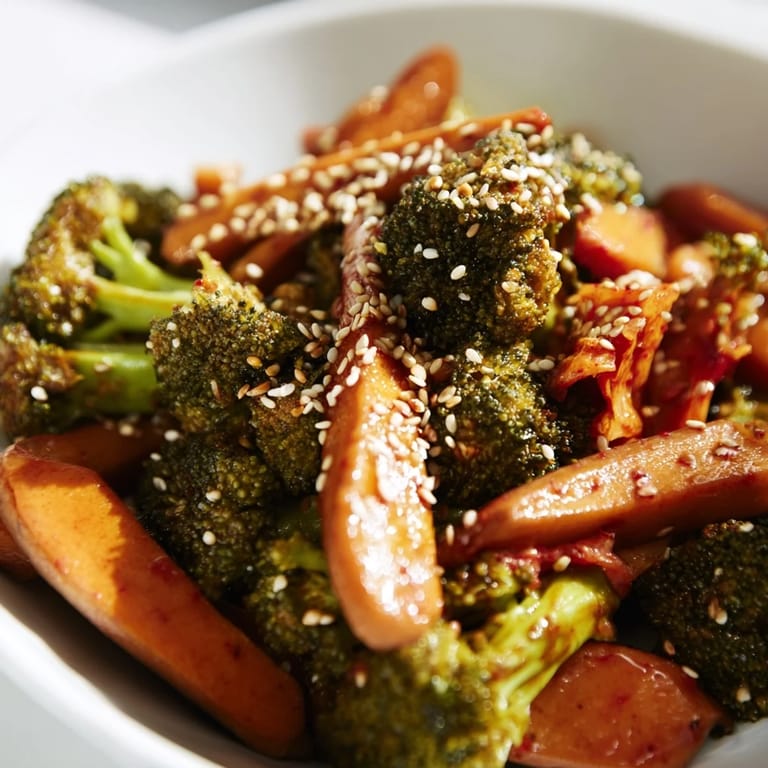
 The first time I made this stir-fry during a particularly brutal February, my kitchen windows fogged up completely and I could barely see the snow falling outside. Something about the contrast between bitter winter winds and that warm, gingery steam rising from the wok felt like giving myself a bear hug from the inside out. I've since learned that fermented vegetables aren't just for summer sandwiches or taco night.
My roommate walked in mid-cooking last winter and immediately declared she was staying for dinner, claiming the combination of sesame oil and caramelizing vegetables was the best thing she had smelled all week. We ended up eating standing up at the counter, too hungry to bother with proper plates, while talking about how vegetables somehow taste more nourishing when they've been cooked with intention rather than just obligation.
Ingredients
- 1 small head broccoli: Cut into generous florets so they catch all those caramelized edges in the hot spots of your pan
- 2 medium carrots: Slice them on the bias into coins rather than rounds, they look beautiful and cook more evenly
- 1 small parsnip: Peeled and sliced into thin half-moons, this adds a subtle sweetness that balances the fermented tang perfectly
- 1 small sweet potato: Cut into thin matchsticks so they cook through without turning to mush
- 1 cup shredded green cabbage: Adds texture and brings that classic stir-fry crunch we all love
- 1 red bell pepper: Sliced into thin strips for pockets of sweetness and vibrant color
- 1 tablespoon fresh ginger: Grated fresh makes all the difference here, the warmth permeates every single vegetable
- 2 cloves garlic: Minced fine so it disperses evenly rather than leaving you with raw spicy bites
- 2 tablespoons toasted sesame oil: This is your foundation, the nutty fragrance signals comfort food immediately
- 2 tablespoons soy sauce or tamari: Provides that deep savory base and brings everything together
- 1 tablespoon rice vinegar: Just enough acidity to brighten all those earthy winter roots
- 1 teaspoon maple syrup or honey: A touch of sweetness helps the vegetables caramelize beautifully
- 1 cup kimchi: Chopped into bite-sized pieces, added last to preserve those precious probiotics
- 2 green onions: Sliced thin for a fresh finish that cuts through the rich flavors
- 1 tablespoon toasted sesame seeds: Sprinkle over everything for that final restaurant-quality touch
Tired of Takeout? 🥡
Get 10 meals you can make faster than delivery arrives. Seriously.
One email. No spam. Unsubscribe anytime.
Instructions
- Prep your mise en place:
- Have all vegetables sliced and aromatics ready before you heat anything, because stir-frying waits for absolutely no one and happens fast once the wok is hot.
- Heat your wok:
- Warm the sesame oil over medium-high heat until it shimmers, then add your ginger and garlic and let them sizzle for just 30 seconds until the aroma fills your entire kitchen.
- Start with the hard roots:
- Add the carrots, parsnip, sweet potato, and broccoli first, stir-frying for 4 to 5 minutes until they start to soften and develop those gorgeous golden edges where they touch the hot metal.
- Add the softer vegetables:
- Toss in the cabbage and bell pepper and continue cooking for another 3 to 4 minutes, watching how the colors brighten and everything becomes crisp-tender.
- Make the sauce:
- Whisk together the soy sauce, rice vinegar, and maple syrup in a small bowl, then pour it over your vegetables and toss everything until each piece is glistening.
- Finish with kimchi:
- Remove the pan from the heat entirely, add your chopped kimchi, and fold it in gently to protect those beneficial bacteria we're all trying to nurture during cold and flu season.
- Garnish and serve:
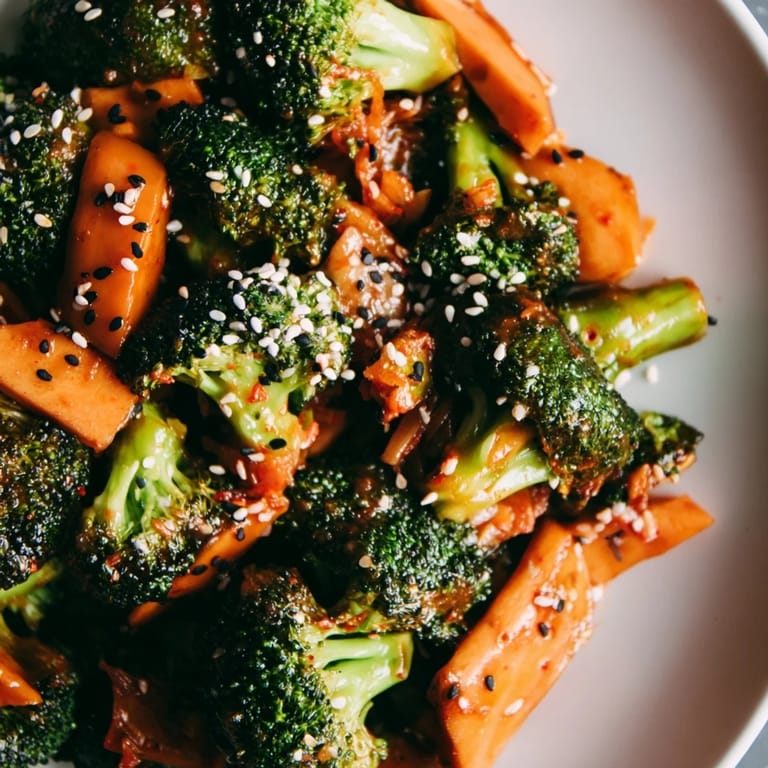
- Scatter with green onions and sesame seeds if you want it to look as good as it tastes, though it is just as delicious straight from the pan.
 Save to Pinterest
 This recipe became my go-to for sick friends last winter when everyone seemed to be fighting something. There is something profoundly caring about serving food that tastes like comfort but actually supports your body with those beneficial bacteria and warming spices.
Choosing Your Kimchi
I have tried dozens of kimchi brands from various Asian markets and the quality varies enormously between makers. Some are overwhelmingly fishy while others pack too much heat, so taste a tiny bit before buying to make sure it aligns with your preferences. The best kimchi for this stir-fry has a balanced funk and enough brine to help sauce the vegetables without adding extra liquid.
Wok Temperature Wisdom
Learning to trust my senses instead of cooking times completely changed my stir-fry game. When the oil starts to smoke just slightly and ginger hits the pan with that immediate sizzle, you know you are at the right temperature. If vegetables are not getting those golden brown spots in a minute or two, your heat might be too low.
Making It Your Own
While this vegetable combination works beautifully together, do not be afraid to swap in whatever winter roots look good at your farmers market. The technique matters more than the exact vegetables, as long as you keep the harder roots going into the pan first.
- Add cubed tofu or edamame if you want more protein without changing the character of the dish
- A drizzle of chili crisp or sriracha at the table brings welcome heat for spice lovers
- Leftovers reheat beautifully for lunch the next day, though the kimchi will continue to ferment and become more tangy
 Save to Pinterest
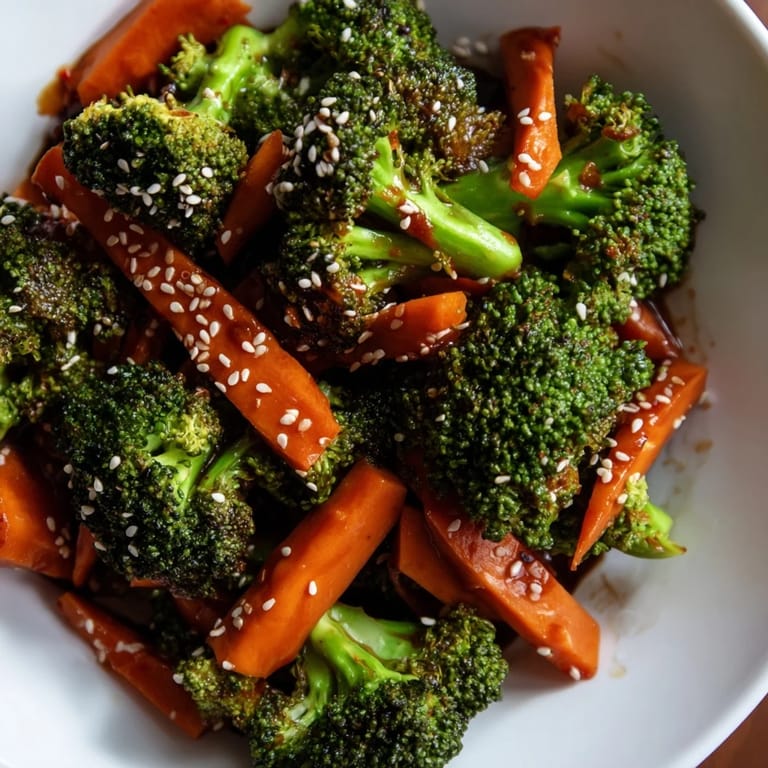
 May your kitchen be warm and your kimchi be perfectly fermented.
Recipe Questions & Answers
- → Can I add protein to this stir-fry?
Yes, you can add tofu, tempeh, or edamame for plant-based protein. If you eat meat, sliced chicken, beef, or shrimp work well. Add the protein during step 4, cooking until fully done before proceeding with vegetables.
- → Does heating kimchi kill the probiotics?
That's why this dish adds kimchi at the very end, off the heat. Gentle tossing preserves the beneficial bacteria while allowing flavors to meld. Avoid prolonged cooking to maintain probiotic benefits.
- → What other winter vegetables can I use?
Turnips, rutabaga, kohlrabi, kale, collard greens, Brussels sprouts, or cauliflower all work beautifully. Just adjust cooking times based on vegetable hardness—root vegetables need more time than leafy greens.
- → Is this dish spicy?
Kimchi typically adds moderate heat and tang. If you're sensitive to spice, start with less kimchi or choose a milder variety. You can always add more at the table. The maple syrup helps balance flavors.
- → Can I make this ahead?
Vegetables can be prepped up to 2 days ahead. The finished dish is best enjoyed immediately, but leftovers keep for 3-4 days refrigerated. Reheat gently to preserve texture—note that probiotic benefits may diminish with reheating.
- → What grains pair well with this?
Steamed white or brown rice, quinoa, soba noodles, or cauliflower rice for a lighter option. The dish also stands alone as a satisfying vegetable-forward main.