 Save to Pinterest
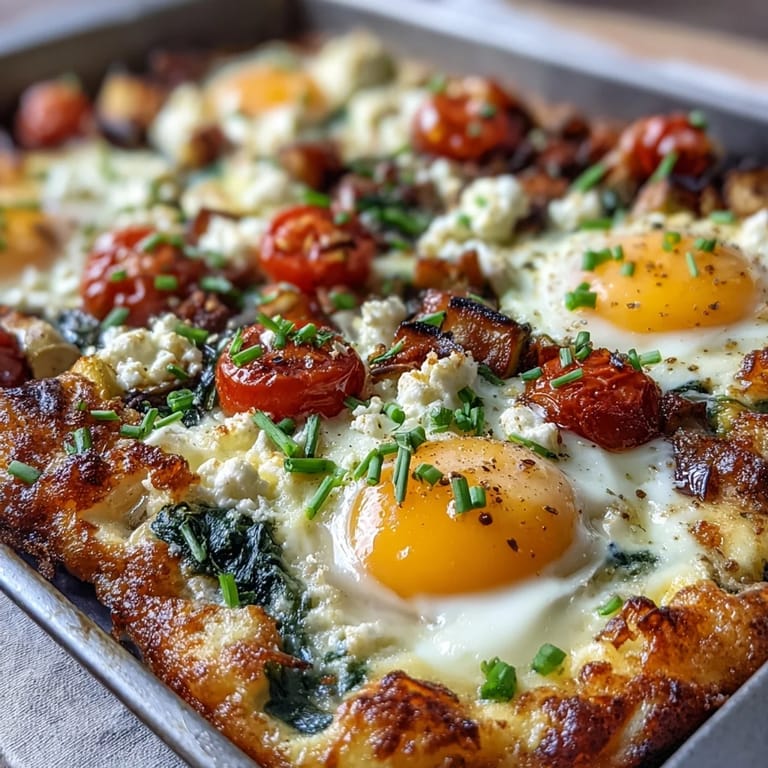
 One Sunday morning, I was staring into my fridge at half-empty containers—a tub of cottage cheese I kept forgetting about, a handful of cherry tomatoes going soft, some spinach that needed rescuing. Instead of tossing them, I thought about building something that could work for the whole week ahead. What came together was this sheet pan of fluffy eggs baked with cottage cheese and whatever vegetables were looking sad in my crisper drawer. Now it's become my go-to when I want something nutritious without fussing over individual pans, and honestly, it tastes even better as leftovers.
I made this for a friend's early morning hike once, cutting it into squares and packing them in a container with some toast. She told me later that having real food instead of a granola bar made the whole climb feel less brutal. That's when I realized this wasn't just convenient—it was actually delicious enough that people looked forward to eating it, not just tolerating it because it was healthy.
Ingredients
- 10 large eggs: These are your foundation, and room temperature eggs whisk more smoothly if you have time to let them sit for five minutes.
- 1 1/2 cups low-fat cottage cheese: The secret weapon that adds protein and creaminess without thinning out your eggs; don't skip the low-fat version or it becomes too heavy.
- 1/4 cup milk (dairy or unsweetened plant-based): Use whatever you have on hand—this just loosens everything slightly so the eggs can puff up as they bake.
- 1 cup cherry tomatoes, halved: Their acidity brightens the whole dish; if you only have regular tomatoes, dice them smaller so they don't release too much liquid.
- 1 cup baby spinach, roughly chopped: It wilts completely during baking, so don't be shy with the amount.
- 1/2 cup red bell pepper, diced: Red peppers are sweeter than green, which balances the savory eggs beautifully.
- 1/2 cup zucchini, diced: Keep the pieces small so they cook through; bigger chunks stay slightly crunchy, which some people love.
- 1/4 cup red onion, finely chopped: The sharpness mellows as it bakes, adding depth without overpowering anything.
- 1/2 teaspoon salt, 1/4 teaspoon black pepper, 1/2 teaspoon dried oregano or Italian seasoning: Taste the egg mixture before pouring it onto the pan—seasoning becomes more intense as it bakes.
- 2 tablespoons fresh chives or parsley: Add this only after baking so it stays bright green and fresh-tasting.
Tired of Takeout? 🥡
Get 10 meals you can make faster than delivery arrives. Seriously.
One email. No spam. Unsubscribe anytime.
Instructions
- Set Your Stage:
- Preheat your oven to 375°F and lightly grease a 13x9 inch rimmed baking sheet with nonstick spray or line it with parchment paper. A cold pan will slow down the cooking, so making sure your oven is truly ready matters more than you'd think.
- Build the Base:
- Crack all 10 eggs into a large bowl and whisk them together with the cottage cheese and milk until the mixture looks smooth and slightly frothy. You want to break up the cottage cheese curds as much as possible, which takes about a minute of steady whisking.
- Season Thoughtfully:
- Stir in the salt, pepper, and dried herbs until everything is evenly distributed. This is where you taste if you're comfortable doing that—dip a clean spoon in and check if it needs more seasoning before the vegetables go in.
- Fold In the Vegetables:
- Add your tomatoes, spinach, bell pepper, zucchini, and red onion, mixing gently so you don't deflate the eggs but everything is evenly distributed. The spinach might look like too much, but it compresses dramatically during baking.
- Pour and Settle:
- Spread the egg mixture evenly across the prepared baking sheet and tap the pan gently on the counter a few times to settle everything and release any big air bubbles. This helps you bake more evenly from edge to center.
- Bake Until Set:
- Bake for 22 to 25 minutes, watching for the edges to turn light golden and the very center to feel just barely set when you jiggle the pan gently. Ovens vary wildly, so start checking at 20 minutes if yours runs hot.
- Cool and Serve:
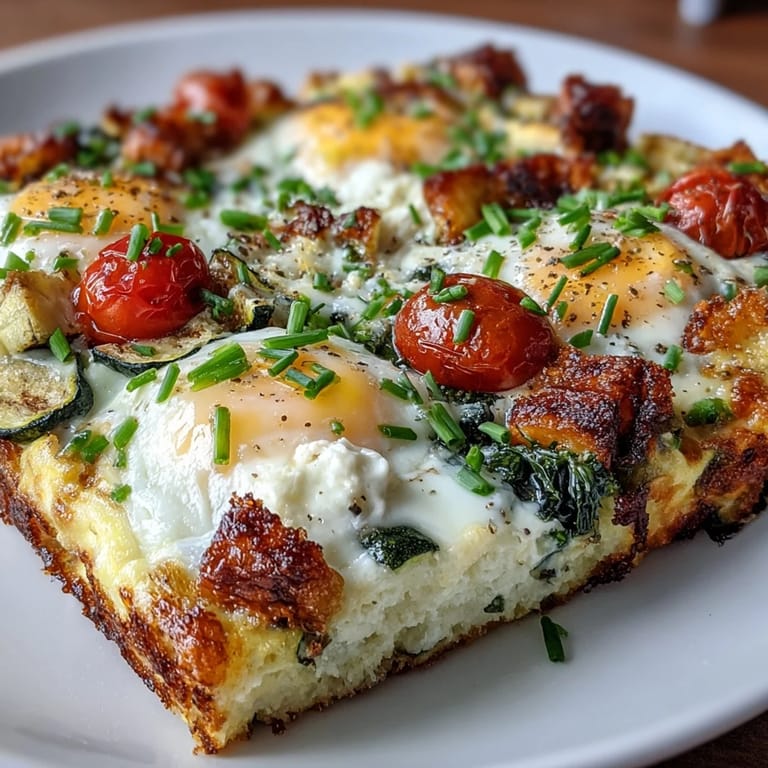
- Let it rest for 5 minutes once it comes out of the oven—this firms things up just enough to slice cleanly. Slice into squares, scatter fresh chives or parsley over top, and serve warm, room temperature, or cold straight from the fridge.
 Save to Pinterest
 My partner doesn't really eat breakfast, but once I left this in the fridge and watched him grab a cold slice on his way to work three days in a row. He never said anything about it tasting good, which somehow meant more than if he had.
Why Meal Prep Becomes Actually Sustainable
The reason this dish changed my whole relationship with meal prep is that it doesn't taste like you're eating the same thing over and over. The flavors settle and deepen as it sits in the fridge, and somehow cold slices taste almost better than warm ones—less eggy, more balanced. You can eat it plain on Monday, slice it onto toast on Wednesday, crumble it into a salad by Friday, and it honestly feels like different meals each time.
Vegetable Swaps That Actually Work
The vegetables in this recipe aren't sacred—they're just a starting point. I've made versions with mushrooms, broccoli, asparagus, diced cucumber, and even leftover roasted cauliflower, and nothing has failed me yet. The only rule is avoiding vegetables that are too watery or fibrous; stick with things that either cook gently or are already tender enough to eat raw.
Making This Recipe Completely Your Own
Once you've made this once, you'll start seeing it as a framework rather than a rigid set of instructions. I've added crumbled feta, scattered fresh herbs like basil before baking, stirred in everything bagel seasoning, and even poured it over a layer of cauliflower rice for something closer to a frittata. The egg-to-cottage-cheese ratio stays the same, but the vegetables are your canvas.
- For extra richness, sprinkle shredded cheddar or feta over everything just before baking and watch it melt into the top.
- If you love spice, swirl in hot sauce or sriracha before baking, or top slices with fresh salsa after baking for brightness.
- Make mini portions in a muffin tin if you want grab-and-go pieces, but reduce the baking time to 15 to 18 minutes and watch them carefully.
 Save to Pinterest
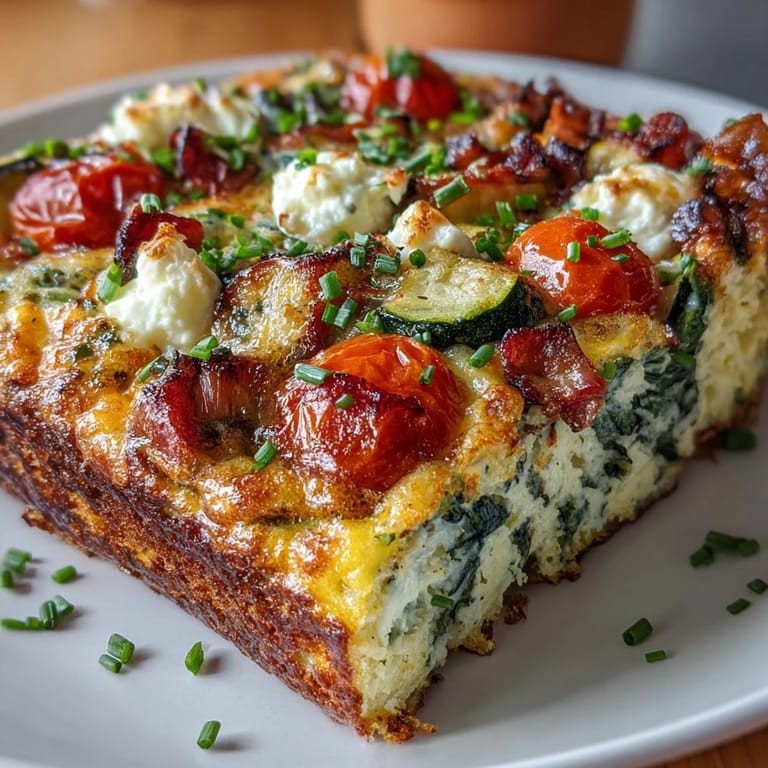
 This sheet pan has become the breakfast equivalent of a good sweater for me—reliable, comforting, and never out of style. Make it once and you'll understand why.
Recipe Questions & Answers
- → Can I freeze these baked egg squares?
Yes, these freeze exceptionally well. After cooling completely, wrap individual squares in plastic wrap and place in a freezer-safe container. They'll keep for up to 2 months. Thaw overnight in the refrigerator and reheat in the microwave for 30-60 seconds.
- → What vegetables work best in sheet pan eggs?
Firm vegetables that cook quickly are ideal. Cherry tomatoes, bell peppers, zucchini, spinach, mushrooms, broccoli florets, and asparagus all work beautifully. Avoid watery vegetables like cucumber or excessive amounts of watery tomatoes that could make the eggs soggy.
- → Can I use frozen cottage cheese?
Frozen cottage cheese changes texture and becomes grainy when thawed, so it's not recommended. Use fresh cottage cheese for the smoothest, creamiest results. If you need a substitute, try ricotta cheese or Greek yogurt, though the protein content will vary.
- → Why do I need to let the eggs cool before slicing?
Resting for 5 minutes allows the eggs to set completely, making them easier to cut into clean squares. Hot eggs are too delicate and may fall apart when sliced. The cooling time also helps the flavors meld together for better taste.
- → Can I make this dairy-free?
Yes, replace cottage cheese with a dairy-free cottage cheese alternative or mashed silken tofu. Use your favorite plant-based milk. The texture will be slightly different but still delicious. You may need to adjust baking time by 2-3 minutes.