 Save to Pinterest
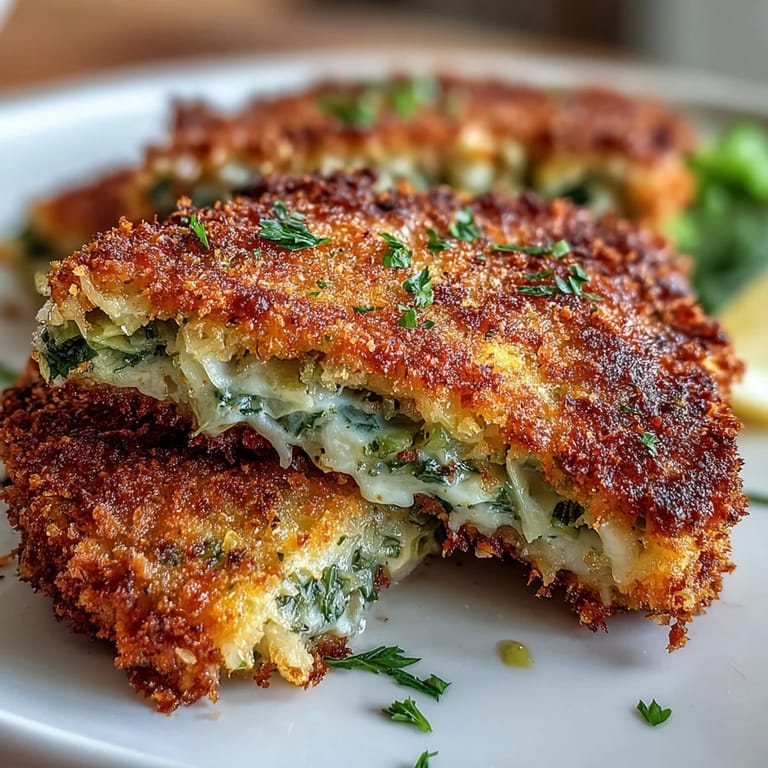
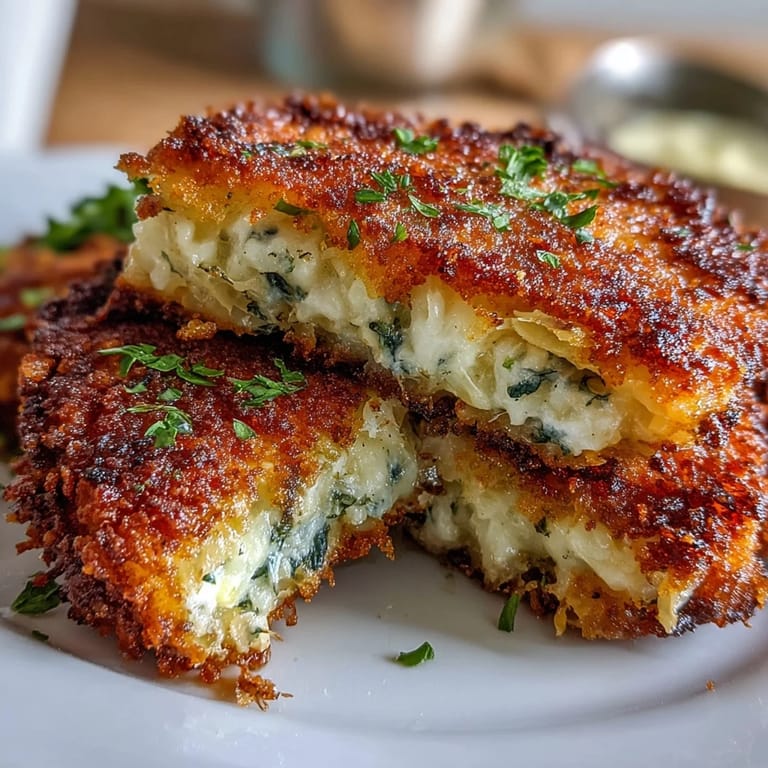
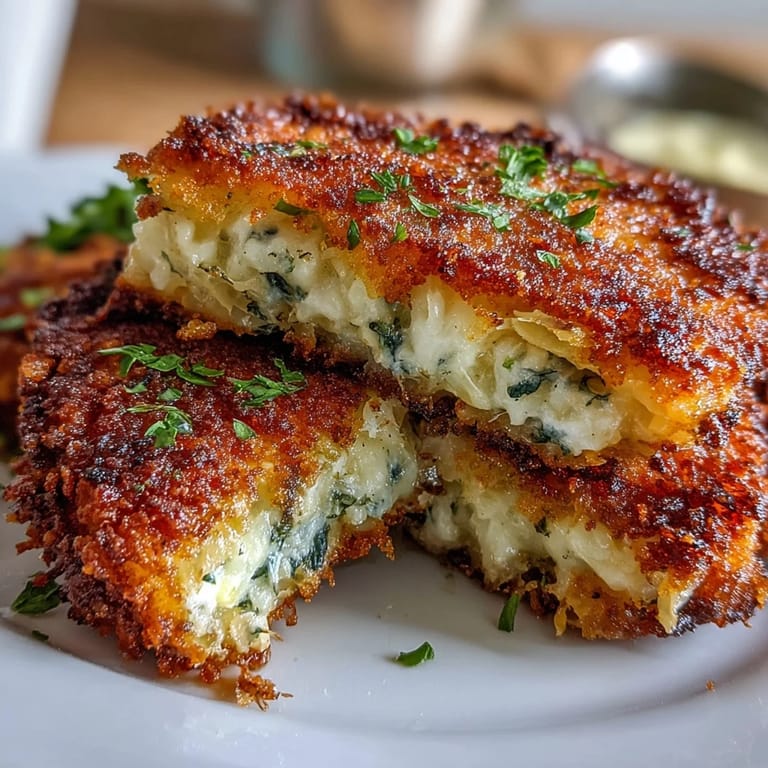
 Steam drifted from my skillet as I coaxed the sizzling, breaded cabbage rounds into a shade of gold one breezy evening. The scent of paprika prompted a few curious neighbors to poke their heads in—honestly, I barely believed myself how utterly satisfying this schnitzel twist could be. Turning cabbage, usually the unsung sidekick, into a main event in my kitchen brought an unexpected thrill. I couldn’t help but laugh when a friend asked where I was hiding the meat. Here’s how this spirited, veggie-forward take on the German classic won its spot on my table.
Once, between back-to-back holiday gatherings, I made these cabbage schnitzels for a small dinner with friends. We crowded around the stove, plates balanced on knees, snatching bites as soon as they were cool enough—all of us laughing at how quickly good food erases formality.
Ingredients
- Cabbage: Really fresh green cabbage keeps its sweet flavor and gorgeous texture through frying—look for compact heads with shiny leaves.
- Eggs: Whisked eggs help the coating cling; if you forgot to bring them to room temp, don’t worry, just beat until frothy.
- All-purpose flour: Essential for the first dredge—shake any excess off so crumbs don’t clump.
- Breadcrumbs: Panko makes for shatteringly crisp edges, but classic breadcrumbs work if that’s what you have on hand.
- Salt and pepper: Don’t skimp—cabbage loves a little seasoning boost.
- Sweet paprika: Adds beautiful color and a subtle warmth; smoked paprika also works for a twist.
- Garlic powder: Just enough to infuse savory flavor without overpowering.
- Vegetable oil: Use a neutral oil with a high smoke point so you can get the schnitzels perfectly golden without burning.
- Fresh parsley and lemon wedges (optional): Bright, herbaceous, and the lemon brings everything to life—don’t skip if you have them.
Tired of Takeout? 🥡
Get 10 meals you can make faster than delivery arrives. Seriously.
One email. No spam. Unsubscribe anytime.
Instructions
- Prep the Cabbage:
- Slice the cabbage into generous one inch thick rounds, keeping the core attached to help slices stay together in the pan. Pat the slices dry and marvel at their layered pattern—it’s beautiful, right?
- Blanch for Tenderness:
- In a big pot of salted boiling water, gently simmer the cabbage rounds for three to four minutes until barely tender. Drain them and dry well—paper towels become your best friend here.
- Breading Setup:
- Line up three shallow bowls: flour in the first, well-beaten eggs in the second, and breadcrumbs mixed with salt, pepper, paprika, and garlic powder in the third. This breading station will make you feel like a kitchen pro.
- Coat the Cabbage:
- Dip each cabbage slab first in flour, then egg, then press into the breadcrumb mix, gently turning to coat on all sides. Take your time—it’s oddly relaxing.
- Fry to Golden Perfection:
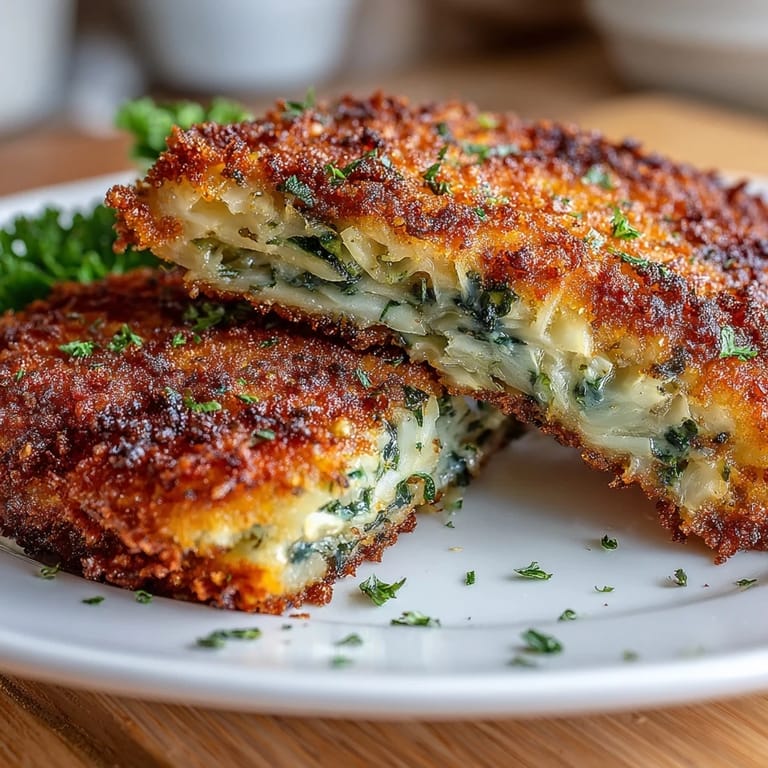
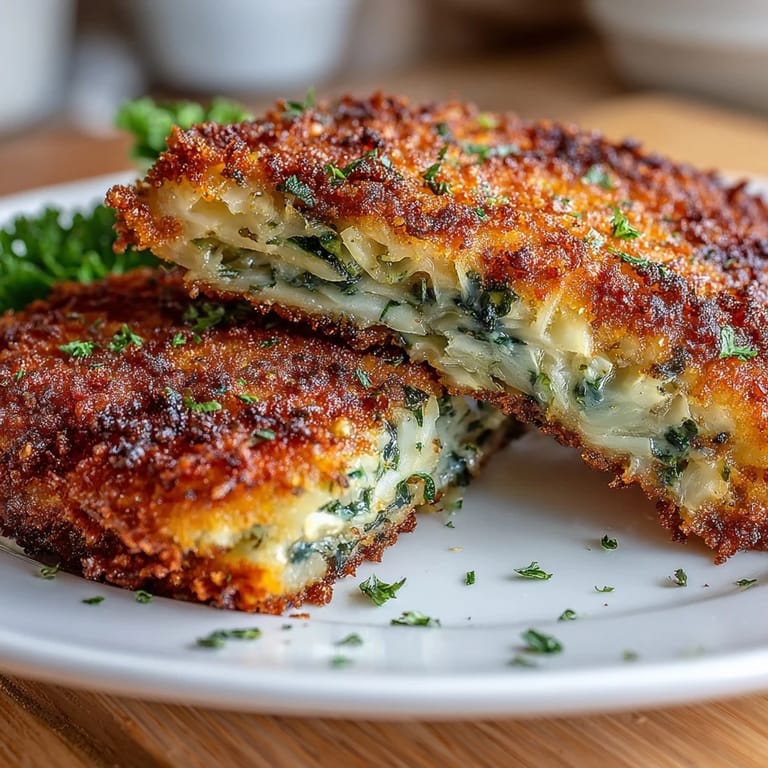
- Pour oil into a large skillet and heat over medium. Fry schnitzels in batches four to five minutes per side, peeking occasionally until they sound crispy and smell nutty.
- Drain and Garnish:
- Set fried slices onto a paper towel lined plate to cool and shed extra oil. Scatter with parsley and a big squeeze of lemon if you like a tangy finish.
- Serve and Enjoy:
- These taste best piping hot, when the coating sings with crunch—gather everyone around and dive in together.
 Save to Pinterest
  Save to Pinterest
 The first time I served these at a potluck, someone swore I’d hidden chicken inside the crust. There’s real delight when a humble vegetable surprises a room full of eaters.
Making It Work for Any Occasion
This recipe slides into almost any dinner plan, from brisk weeknights to picnic-style lunches. The crispy cabbage slices keep their crunch for a surprising while, even after a quick warm-up in the oven.
Variations and Swaps
Try jazzing up the breadcrumb mixture with a handful of grated Parmesan (if not strict vegetarian), or swap in gluten-free flour and breadcrumbs for friends with allergies. Going vegan? A splash of plant milk and a spoonful of cornstarch makes a coating almost indistinguishable from egg.
Serving and Storage Secrets
There’s a certain magic in serving these with a big lemon wedge and fresh dill on top. For any leftovers, store them in a paper towel lined container, then re-crisp in a skillet—save the microwave for something else.
- Slice leftovers into strips and toss into salads or wraps for lunch.
- Make extra breading mix—you’ll want to schnitzel everything after the first bite.
- Don’t be afraid to play—cabbage is forgiving and soaks up flavor beautifully.
 Save to Pinterest
  Save to Pinterest
 This cabbage schnitzel never fails to start lively conversation and draw compliments. Hope it brings a little extra spark to your kitchen too.
Recipe Questions & Answers
- → How thick should the cabbage slices be?
Cut rounds about 1 inch thick so they hold together during blanching and frying. Thinner slices may fall apart, while much thicker pieces take longer to cook through.
- → Why blanch the cabbage before breading?
Blanching briefly softens the cabbage and removes harsh raw flavor, helping slices stay tender inside while the breadcrumb crust becomes crisp during frying.
- → How do I get an extra-crispy crust?
Use panko breadcrumbs and press them firmly onto the cabbage. Fry in a hot skillet with enough oil to sizzle the crumbs, and avoid overcrowding the pan to keep the crust crisp.
- → What oil and temperature work best for frying?
Choose a neutral high-smoke-point oil like sunflower or canola. Heat to medium–medium-high so the crumbs brown gradually without burning; about 4–5 minutes per side is typical.
- → How can I make a vegan version?
Replace beaten eggs with a slurry of plant-based milk mixed with a tablespoon of flour or cornstarch to help the breadcrumbs adhere; proceed with the same breading and frying method.
- → Can I make this gluten-free?
Yes—use a gluten-free all-purpose flour and gluten-free breadcrumbs or crushed gluten-free crackers. Adjust frying time as needed since coatings may brown at different rates.