 Save to Pinterest
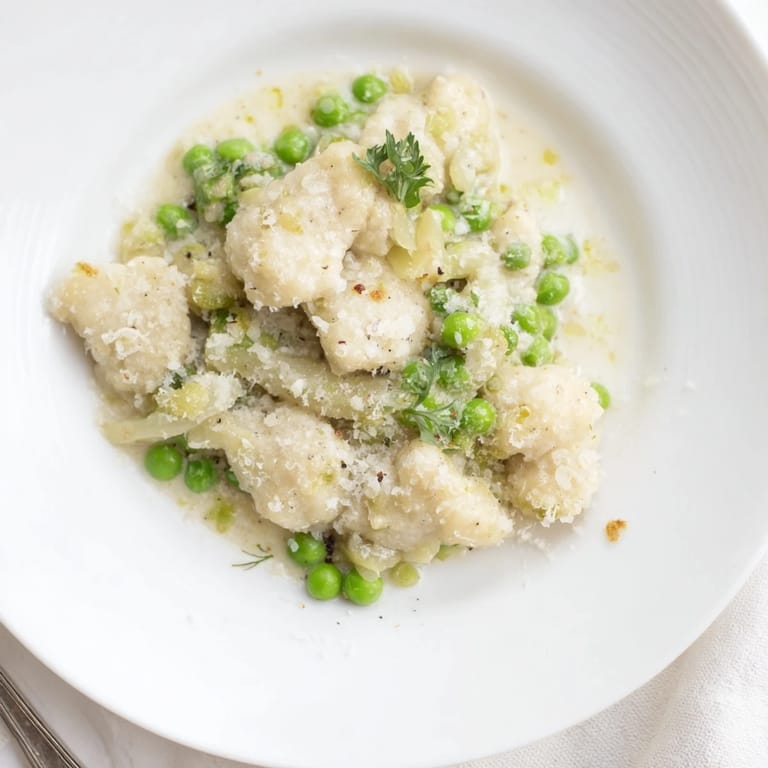
 Last spring, I opened my pantry looking for something quick and comforting, and spotted a box of orzo I'd forgotten about. I tossed it in a skillet with butter, peas from the freezer, and whatever Parmesan I had left, and twenty minutes later I was scraping the pan clean. That creamy, cheesy bite of tender pasta became my go-to whenever I needed something warm and satisfying without the fuss. Now I keep orzo stocked year-round.
I made this for my sister on a rainy Tuesday when she stopped by after work, and she kept asking what the secret was. There was no secret, just butter, good Parmesan, and the patience to let the orzo absorb every bit of flavor from the pan. We sat at the kitchen table with our bowls, and she told me it tasted like the kind of meal that makes you forget you're tired.
Ingredients
- Orzo pasta: This rice-shaped pasta turns wonderfully creamy as it cooks, almost like a cross between pasta and risotto, and it's forgiving if you stir it a little too much.
- Unsalted butter: Start with butter instead of oil for a richer, silkier base that coats every grain of orzo.
- Heavy cream: This is what makes the sauce luscious and cling to the pasta, though you can use half-and-half if you want something a touch lighter.
- Freshly grated Parmesan cheese: Pre-grated won't melt the same way; I learned that the hard way when I ended up with grainy clumps instead of a smooth sauce.
- Low-sodium vegetable broth: It gives the orzo depth without overpowering the delicate sweetness of the peas.
- Whole milk: Thinning the cooking liquid with milk keeps the dish from becoming too heavy while still adding body.
- Frozen green peas: They're sweet, bright, and cook in minutes, plus they add a pop of color that makes the dish feel more alive.
- Shallot: Milder and slightly sweeter than onion, it melts into the background and builds a subtle aromatic foundation.
- Garlic: Just a quick sauté releases its fragrance without any bitterness.
- Salt, black pepper, and nutmeg: A pinch of nutmeg is optional but it adds a quiet warmth that makes the cream sauce feel more layered.
- Fresh parsley: A handful of chopped parsley at the end brightens everything and makes it look like you tried harder than you did.
Tired of Takeout? 🥡
Get 10 meals you can make faster than delivery arrives. Seriously.
One email. No spam. Unsubscribe anytime.
Instructions
- Soften the shallot:
- Melt the butter in a large skillet over medium heat, then add the chopped shallot and let it sizzle gently for 2 to 3 minutes until it turns translucent and smells sweet. Don't rush this step; it sets the flavor for the whole dish.
- Wake up the garlic:
- Stir in the minced garlic and cook for just 30 seconds, letting it bloom in the butter without browning. You'll know it's ready when the kitchen smells like a warm Italian kitchen.
- Toast the orzo:
- Add the orzo to the skillet and stir constantly for 1 to 2 minutes until the grains start to smell nutty and a few turn golden at the edges. This step deepens the flavor and helps the pasta hold its shape.
- Simmer with broth and milk:
- Pour in the vegetable broth and whole milk, then bring everything to a gentle simmer before reducing the heat to low. Stir often for 8 to 10 minutes, watching as the orzo plumps up and the liquid slowly disappears.
- Stir in the peas:
- Add the thawed green peas and cook for 2 to 3 minutes, just long enough for them to heat through and turn bright green. They should still have a little snap when you bite into one.
- Finish with cream and cheese:
- Stir in the heavy cream, grated Parmesan, salt, pepper, and nutmeg if you're using it, then keep stirring gently until the cheese melts into a silky sauce that coats every piece of orzo. This takes about 2 to 3 minutes and the texture should be creamy but not soupy.
- Taste and serve:
- Remove the skillet from the heat, taste a spoonful, and adjust the salt or pepper if needed. Scatter fresh parsley over the top and serve it hot, straight from the pan.
 Save to Pinterest
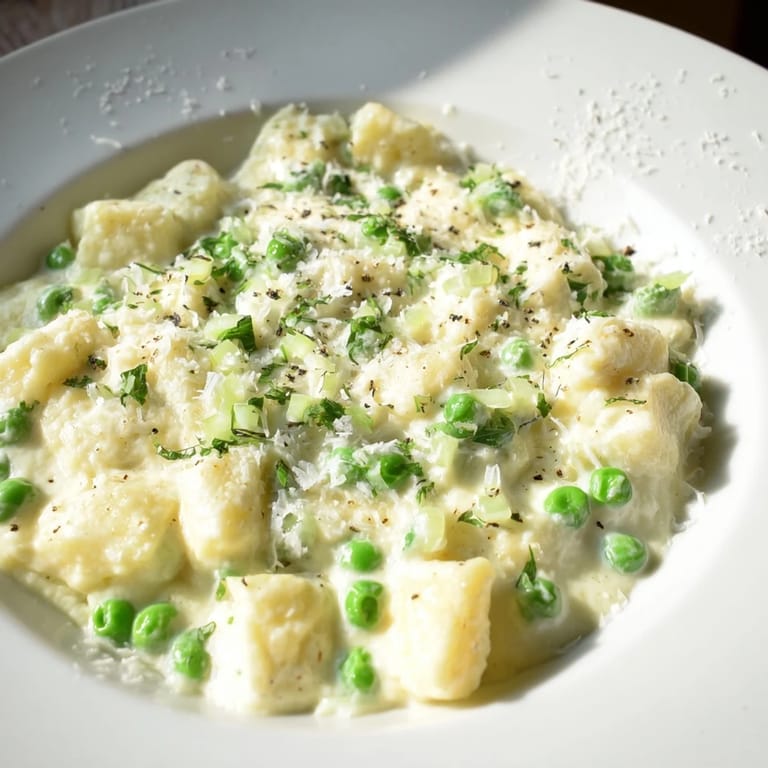
 One evening I served this to a friend who doesn't usually get excited about pasta, and she scraped her bowl clean and asked if she could take the leftovers home. That's when I realized this dish has a quiet magic: it doesn't shout for attention, but it makes people feel cared for and content in a way that's hard to describe.
Making It Your Own
You can swap the peas for baby spinach or blanched asparagus tips if you want a different green, or add a squeeze of lemon juice before stirring in the cream for a brighter, tangier finish. I've also splashed in a bit of white wine after toasting the orzo, letting it sizzle away before adding the broth, and it gave the whole dish a subtle depth that made it feel more special. If you're serving it as a main course, I like to top each bowl with a little extra Parmesan and a crack of black pepper.
Storing and Reheating
Leftovers keep well in an airtight container in the fridge for up to three days, though the orzo will soak up more of the sauce as it sits. When you reheat it, add a splash of milk or broth to a small saucepan and warm it gently over low heat, stirring until it loosens back up and becomes creamy again. I've reheated it in the microwave in a pinch, but stovetop gives you more control and keeps the texture silky instead of gummy.
Serving Suggestions
This orzo shines as a side dish next to grilled chicken, pan-seared salmon, or roasted vegetables, but I've also eaten it straight from the skillet with a glass of white wine and called it dinner. If you're feeding a crowd, double the recipe and keep it warm in a low oven until everyone's ready to eat. A simple arugula salad with lemon vinaigrette balances the richness beautifully.
- Serve it in shallow bowls so the creamy sauce pools at the bottom and you can scoop up every last bit.
- Pair it with a crisp Pinot Grigio or Sauvignon Blanc if you want something to cut through the richness.
- Garnish with extra Parmesan, a drizzle of good olive oil, or even a few lemon zest curls for a pop of brightness.
 Save to Pinterest
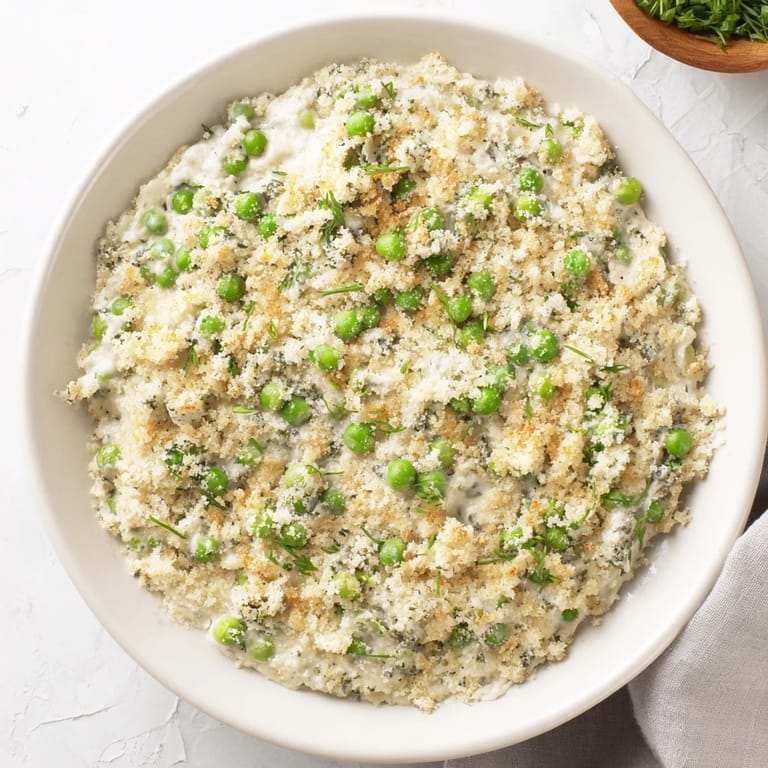
 This dish has become my answer to busy weeknights and last-minute guests, the kind of recipe that makes you look like you put in more effort than you did. I hope it brings the same easy comfort to your table that it's brought to mine.
Recipe Questions & Answers
- → Can frozen green peas be used?
Yes, frozen peas are ideal as they retain sweetness and cook quickly when added near the end.
- → How can I make the dish creamier?
Adding heavy cream along with Parmesan cheese creates a rich, silky sauce that coats the orzo perfectly.
- → What can substitute orzo pasta?
Small pasta shapes like acini di pepe or even couscous work well as alternatives to orzo.
- → Is it possible to prepare this without dairy?
To keep the creamy texture without dairy, use plant-based cream and cheese alternatives suitable for cooking.
- → How long to cook the orzo for optimal texture?
Simmer uncovered for about 8-10 minutes until the orzo is al dente and most liquid is absorbed.
- → What herbs enhance the flavor?
Fresh parsley adds brightness, while a touch of nutmeg complements the creamy sauce subtly.