 Save to Pinterest
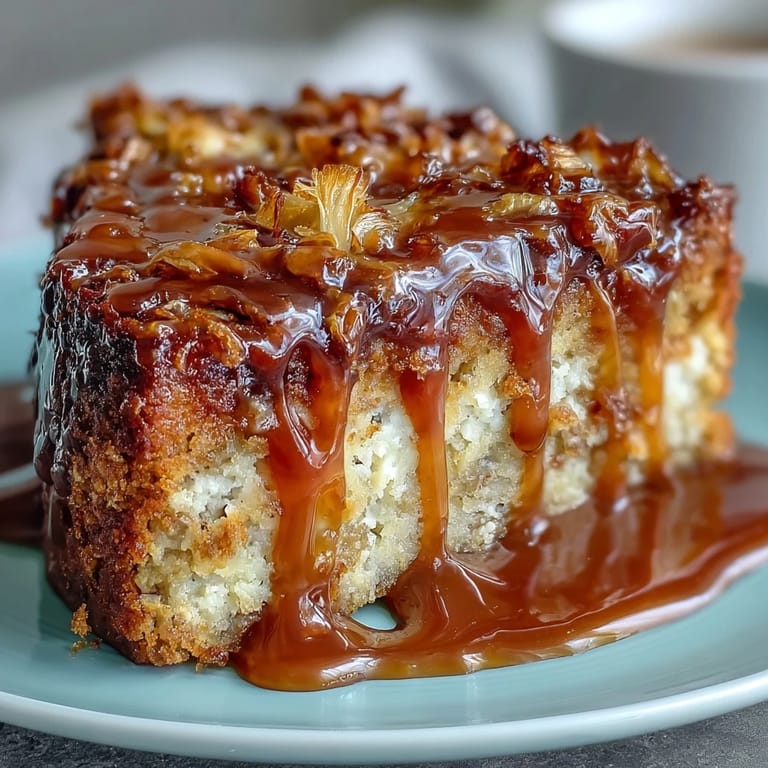
 One spring afternoon, I wandered past an overgrown corner of a farmer's market where a beekeeper was selling jars of dandelion honey—deep golden, almost amber in the light. The vendor mentioned it pairs beautifully with lemon, and something about that combination stayed with me all week. I couldn't resist baking a cake around it, and what emerged was this tender, floral crumb that tastes like springtime itself. Every slice carries that whispered sweetness of wildflowers with a bright citrus finish that feels both elegant and comforting.
I made this for my neighbor's garden tea party last April, and watching people pause mid-conversation after their first bite told me everything. Someone asked if I'd used rose water—the honey's floral notes are that noticeable and lovely. It became the cake everyone asked for that season, which was both flattering and slightly terrifying because suddenly I needed to understand dandelion honey better than I ever expected.
Ingredients
- All-purpose flour (2 cups): The foundation—make sure it's fresh and not clumpy, as old flour can make the cake dense.
- Baking powder and baking soda (1 1/2 tsp and 1/2 tsp): These two work together to give you lift without the heaviness that too much baking powder alone creates.
- Fine sea salt (1/2 tsp): Amplifies the honey and lemon without making anything taste salty—trust this amount.
- Unsalted butter (1/2 cup, room temperature): Room temperature is non-negotiable here; cold butter won't cream properly and your cake will be dense instead of tender.
- Dandelion honey (1/2 cup): This is the soul of the cake—if you can't find dandelion honey, wildflower or acacia honey works, though the flavor will shift slightly.
- Granulated sugar (1/2 cup): Balances the honey's floral notes and helps create structure.
- Large eggs (3), room temperature: Temperature matters; cold eggs don't incorporate smoothly and can create an uneven crumb.
- Pure vanilla extract (1 tsp): Use real vanilla, not imitation—the difference shows in a delicate cake like this.
- Whole milk (1/2 cup), room temperature: Keeps the crumb moist and tender; warm milk helps it blend seamlessly with the batter.
- Lemon zest (2 tbsp): Zest fresh lemons right before using—the oils are most vibrant that way, and you'll taste the difference.
- Freshly squeezed lemon juice (2 tbsp): Don't use bottled; the brightness matters.
- Powdered sugar (1 cup), sifted: For the glaze, sifting prevents lumps and gives you a smooth, pourable finish.
- Lemon juice for glaze (2-3 tbsp): Add gradually so you control the thickness—you want it pourable but not runny.
- Dandelion honey for glaze (1 tbsp): Adds subtle floral sweetness to the glaze and ties the cake's flavors together.
Tired of Takeout? 🥡
Get 10 meals you can make faster than delivery arrives. Seriously.
One email. No spam. Unsubscribe anytime.
Instructions
- Prepare your stage:
- Preheat the oven to 350°F and grease your 9-inch cake pan generously or line it with parchment paper. I usually do both—once you've burned a cake to the pan, you learn to be cautious. Having everything within arm's reach before you start mixing makes the whole process smoother.
- Whisk the dry foundation:
- In a medium bowl, whisk together the flour, baking powder, baking soda, and salt, then set it aside. This step aerates the flour and distributes the leavening agents evenly, which is what creates an even crumb rather than tunneling through the cake.
- Cream the butter and honey mixture:
- In a large mixing bowl, beat the room-temperature butter, dandelion honey, and sugar together for about 3 minutes until the mixture is pale, fluffy, and noticeably lighter in color. This creaming process traps air, which gives your cake its tender structure—don't skip time here or rush it.
- Incorporate eggs and flavor:
- Beat in the eggs one at a time, making sure each is fully combined before adding the next. Then stir in the vanilla extract, lemon zest, and fresh lemon juice, letting the fragrance fill your kitchen.
- Alternate the flour and milk:
- Add the dry mixture and milk in three parts, starting and ending with the flour—so flour, then milk, then flour, then milk, then flour. Mix until just combined; overmixing develops gluten, which toughens the cake and defeats the whole purpose of this tender creation.
- Fill and smooth:
- Pour the batter into your prepared pan and use a spatula to smooth the top evenly. The batter should be thick and creamy, not runny or stiff.
- Bake with patience:
- Bake for 35 to 40 minutes, until a toothpick inserted into the center comes out clean or with just a crumb or two clinging to it. The cake will smell incredible—that's how you know it's almost done.
- Cool in stages:
- Let the cake rest in the pan for 10 minutes, then turn it out onto a wire rack to cool completely before glazing. This waiting period feels eternal, but it's crucial—a warm cake will be fragile and the glaze will melt into it rather than sit on top.
- Make the glaze:
- Whisk together the sifted powdered sugar, lemon juice (add a little at a time, adjusting consistency as you go), and dandelion honey until completely smooth. The glaze should be pourable but thick enough to cling to the cake without running off immediately.
- Finish with glaze:
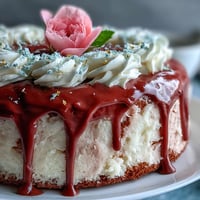
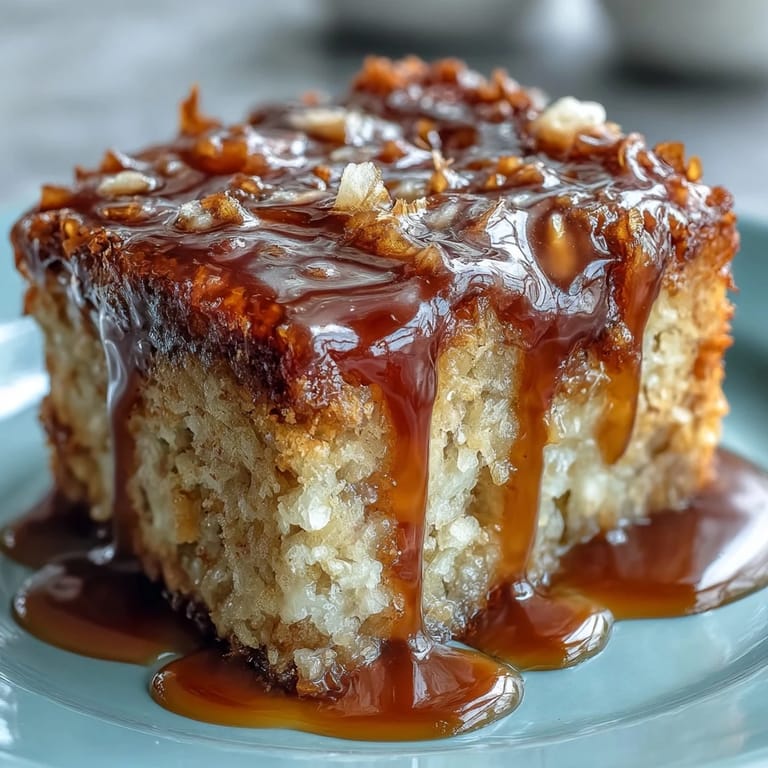
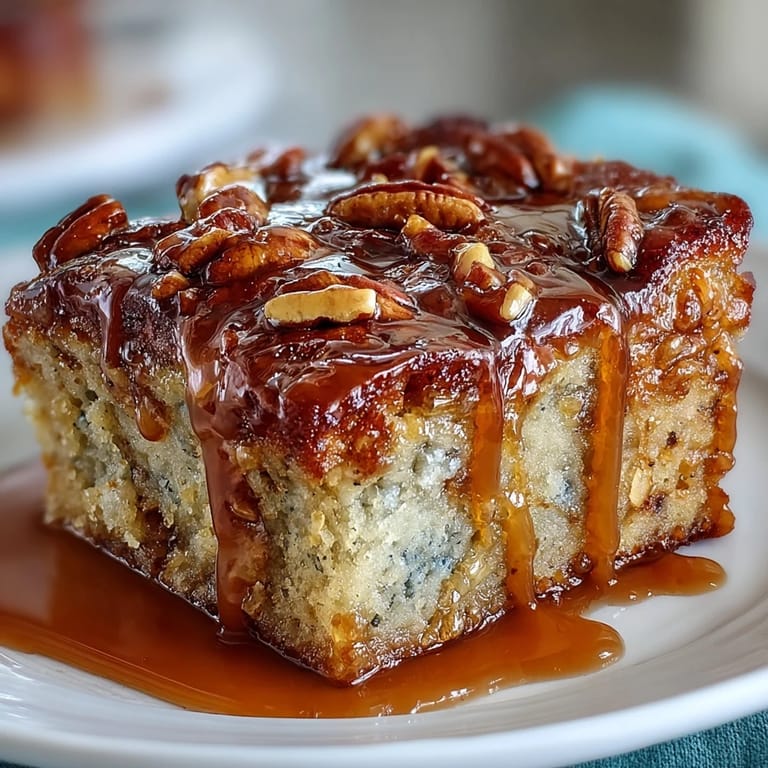
- Drizzle the glaze over the completely cooled cake in a decorative pattern or let it pool naturally on top. Wait 10 to 15 minutes for it to set before slicing—patience here rewards you with clean, beautiful slices.
 Save to Pinterest
 What surprised me most about this cake was how it became the bridge between my neighbor and me—baking one led to conversations about her garden, which led to her teaching me which wild plants in the area were actually edible. Food connects us to seasons and places in unexpected ways, and this cake somehow does that beautifully. It tastes like spring, but it tastes like friendship too.
The Science Behind the Floral Sweetness
Dandelion honey carries compounds that make it taste lighter and more delicate than regular honey, even though it's equally sweet. When you heat it in the creaming process, those volatile aromatics stay mostly intact, infusing the batter with fragrance rather than just sugar. The lemon juice acts as a flavor amplifier—acids brighten floral notes and keep the cake from feeling cloying. Together, they create a balance where sweetness feels sophisticated rather than heavy.
Timing and Temperature Secrets
Oven temperature consistency matters more than you'd think with a delicate cake like this. If your oven runs hot, the outside might set too quickly while the inside remains underbaked—I've found using an oven thermometer removes all guessing. Baking at exactly 350°F ensures the cake rises evenly and the crumb stays tender rather than becoming dry or gummy.
Serving Suggestions and Storage
This cake shines with herbal tea—chamomile, lemon verbena, or a light floral blend lets the cake's own delicate flavor come forward. It also pairs unexpectedly well with a crisp white wine or even a light sparkling wine if you're serving it at brunch. Store leftovers in an airtight container at room temperature for up to three days, and the flavors actually deepen slightly as the honey and lemon meld overnight.
- If you want an even more pronounced dandelion flavor, add 2 tablespoons of finely chopped unsprayed dandelion petals to the batter before baking.
- This cake freezes beautifully without the glaze for up to a month—glaze it fresh when you're ready to serve.
- A crumb coat of glaze, let to set, then a final glaze coat gives you the most polished presentation.
 Save to Pinterest
 This cake became more than a recipe—it's become a reason to seek out local honey and notice what's blooming in April. Every time I make it, I'm transported back to that farmer's market moment, and I hope that when you bake it, you'll find your own small magic in the floral sweetness and bright lemon finish.
Recipe Questions & Answers
- → What is the best way to enhance the dandelion flavor?
Adding 2 tablespoons of finely chopped unsprayed dandelion petals to the batter intensifies the floral notes.
- → How can I tell when the cake is fully baked?
Insert a toothpick into the center; it should come out clean or with a few moist crumbs when done.
- → Can I substitute the dandelion honey with another honey?
Yes, regular honey can be used if dandelion honey is unavailable, though the floral aroma will be milder.
- → What tools are recommended for preparing this cake?
A 9-inch round cake pan, mixing bowls, electric mixer or whisk, measuring tools, microplane or zester, and a wire rack are ideal.
- → How should leftovers be stored?
Keep the cake in an airtight container at room temperature for up to three days to maintain freshness.