 Save to Pinterest
 The first time I encountered hojicha was at a small tea shop tucked away on a quiet Tokyo street, where the proprietor served me a delicate cup of the roasted green tea alongside a slice of chocolate cake. The nutty, almost toasty warmth of it stayed with me long after I left, and months later, I found myself in my kitchen wondering if I could capture that same magic in something I could hold in my hands. This fudge became my answer, a way to blend that earthy hojicha essence with the comfort of rich chocolate in a form that melts on your tongue.
I made a batch of these for a friend who had just moved into a new apartment, and I'll never forget how she bit into one, closed her eyes, and said it tasted like stepping into a calm afternoon. That's when I realized this wasn't just fudge; it was a small edible moment you could give to someone. She kept them in her fridge for weeks, taking one whenever she needed a pause in her day.
Ingredients
- Dark chocolate (60–70% cacao): This is your foundation; the higher the cacao percentage, the less overly sweet the fudge becomes, letting the hojicha shine through without competing.
- Milk chocolate: Adds a gentle creaminess and rounds out the flavor so it's not austere or too intense for people who prefer softer edges.
- Unsalted butter: Gives the fudge its signature melt-in-your-mouth texture, so don't skimp on quality here.
- Sweetened condensed milk: This is the secret to achieving that dense, fudgy consistency; it binds everything together like edible glue.
- Hojicha powder: The star ingredient, bringing warmth and a subtle toasted grain note that makes people lean in and ask what that mysterious flavor is.
- Vanilla extract and salt: Small players that deepen the flavor and prevent the fudge from tasting one-dimensional.
Tired of Takeout? 🥡
Get 10 meals you can make faster than delivery arrives. Seriously.
One email. No spam. Unsubscribe anytime.
Instructions
- Prepare your canvas:
- Line your square baking pan with parchment paper, making sure the edges overhang so you can lift the finished fudge out like you're unveiling a treasure. This step saves you from any frustrating scraping.
- Combine the chocolate and butter:
- Chop both chocolates and butter into smaller pieces so they melt evenly and quickly without any lumps hiding in the corners.
- Melt everything gently:
- Use a double boiler, letting the steam from the simmering water below do the work instead of direct heat, which can scorch chocolate and ruin the silky texture. Stir occasionally until the mixture looks smooth and glossy.
- Fold in the hojicha magic:
- Once you remove the bowl from heat, add the hojicha powder slowly while stirring; you'll watch the mixture transform from dark brown to a slightly lighter, more complex shade as the powder fully dissolves. The vanilla and salt go in now too, just a whisper of each.
- Pour and smooth:
- Transfer the fudge to your prepared pan and use a spatula to create an even surface; you want every bite to have the same luxurious consistency.
- Chill with patience:
- Two hours is the minimum, but if you have time, letting it sit overnight in the refrigerator gives the flavors a chance to settle and the texture to firm up perfectly.
- Cut and store:
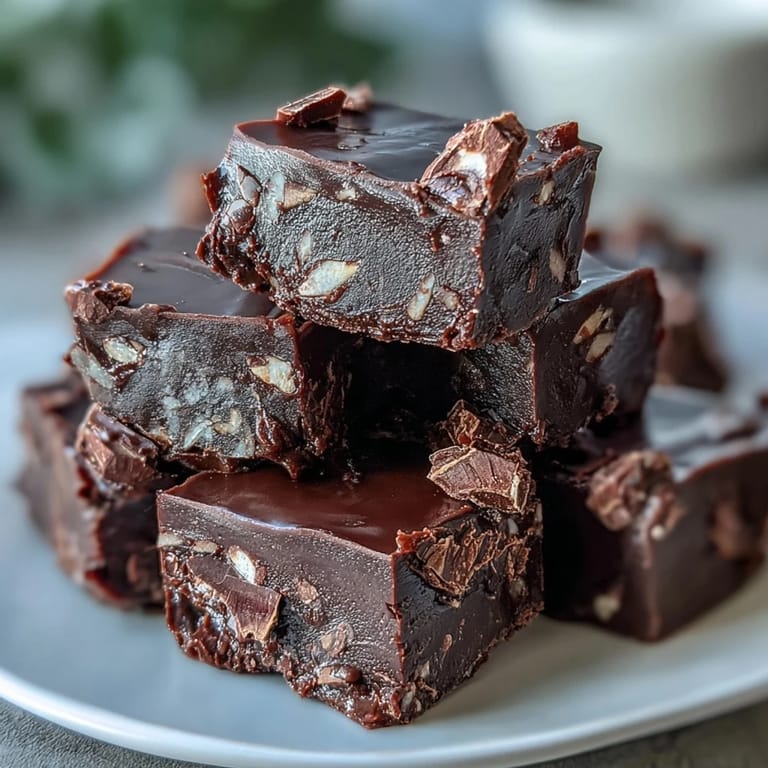
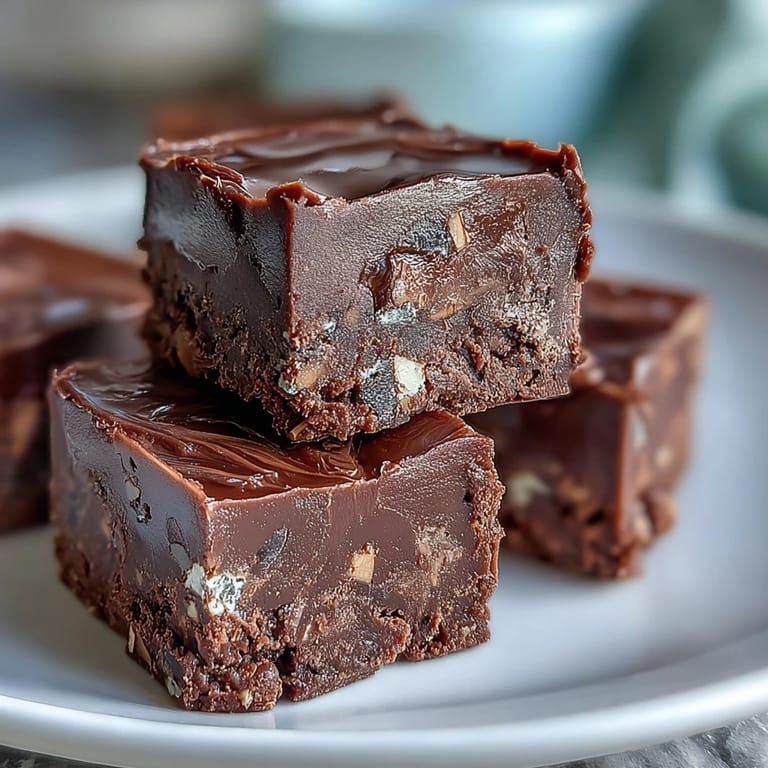
- Use a sharp knife dipped in warm water to cut clean squares; wipe between each cut for neat edges that look as good as they taste.
 Save to Pinterest
 There's a quiet satisfaction that comes from making fudge, something about the alchemy of simple ingredients transforming into something that feels indulgent and special. I've learned that the best recipes are the ones that make you feel like a small magician in your own kitchen.
The Art of Melting Chocolate Without Disaster
The double boiler method feels like ancient wisdom when you actually try it; the gentle, indirect heat means your chocolate stays silky instead of seizing into an unusable clump. I used to be impatient about this step, but once I understood that chocolate is genuinely sensitive to temperature, everything changed. Now I respect it like I would a sleeping cat: gently, consistently, without sudden movements.
Why Hojicha, and Where to Find It
Hojicha is roasted green tea, which means it has a deeper, more grounded flavor than its unroasted counterpart; it won't make you think of grass clippings the way some teas do, but instead of toasted grain and warmth. You'll find it at Japanese markets, specialty tea shops, or online retailers, and once you have it in your pantry, you'll find yourself adding it to things beyond this fudge. Some people have started sprinkling it on vanilla ice cream or stirring it into hot milk on cold evenings.
Variations and Personal Touches
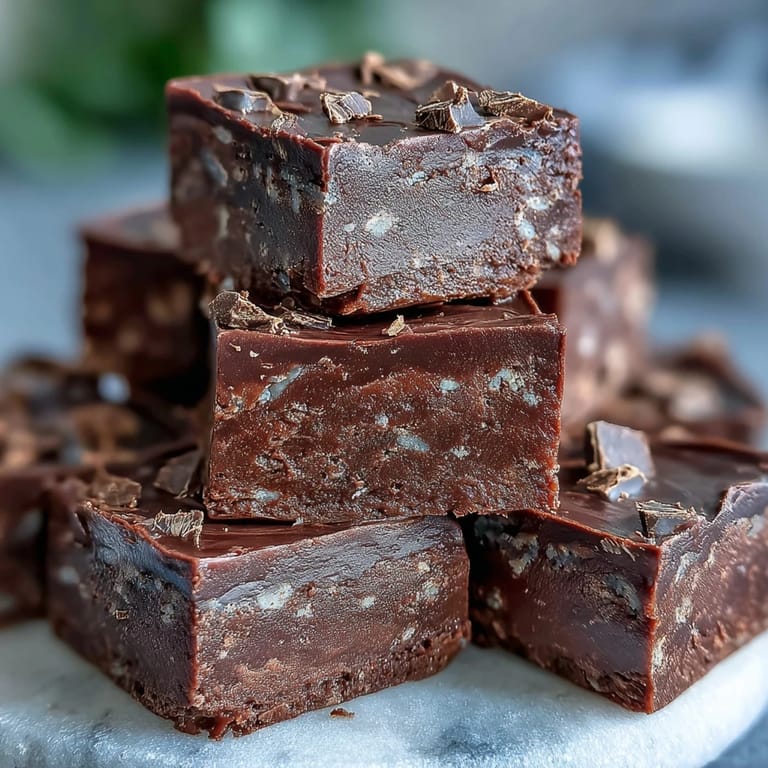
This fudge is a canvas that respects your creativity; I've made versions with toasted walnut pieces folded in for a subtle crunch, and once I added a tiny pinch of cayenne pepper because I was curious and it turned out to be unexpectedly beautiful. The base recipe is sturdy enough to handle minor improvisation, so don't be afraid to make it your own.
- Toast walnuts or almonds lightly and fold in about 50 grams before pouring into the pan for texture contrast.
- A whisper of ground cinnamon or a few grains of sea salt on top after cutting adds complexity and makes people wonder what you did differently.
- Pair these with unsweetened green tea or a light dessert wine to let the hojicha flavor bloom even more.
 Save to Pinterest
 Every time I make this fudge, I'm reminded that the best kitchen moments happen when you're willing to try something that feels a little unfamiliar. This little square of chocolate and roasted tea is proof that taking a small risk can turn into something you want to make again and again.
Recipe Questions & Answers
- → What does hojicha taste like?
Hojicha delivers distinctive toasty, caramel-like notes with earthy undertones from being roasted at high temperatures. Unlike grassy green teas, it offers warm, nutty flavors that pair beautifully with chocolate's richness.
- → Can I use matcha instead?
Matcha's vibrant, grassy profile would completely alter the flavor profile. Hojicha's roasted character specifically complements chocolate's depth—substituting would create an entirely different tasting experience.
- → How long will this fudge stay fresh?
Properly stored in an airtight container, this confection maintains ideal texture for up to one week refrigerated. The dairy content requires cool storage to prevent softening or separation.
- → Why use both dark and milk chocolate?
Dark chocolate provides intensity while milk chocolate contributes creaminess and sweetness. This balance prevents excessive bitterness from cocoa while maintaining luxurious mouthfeel.
- → Can I make this without a double boiler?
You can melt carefully in microwave at 30-second intervals, stirring between each. However, gentle double-boiler heating prevents chocolate from seizing and ensures perfectly smooth incorporation.
- → What texture should properly set fudge have?
Ideally dense and velvety with slight resistance when cut. It should hold its shape at room temperature but melt smoothly on the tongue without being crumbly or overly soft.