 Save to Pinterest
 A Japanese tea shop owner in Tokyo once handed me a single hojicha truffle with the kind of care usually reserved for jewelry. The roasted green tea powder caught the light as it sat in my palm, and when I bit through the thin chocolate shell, the ganache released this quiet, toasted warmth that tasted like an autumn afternoon. That moment stayed with me, and I spent months figuring out how to recreate it in my own kitchen until I finally got it right.
I brought a batch to my neighbor last winter when she was recovering from surgery, and she called me three days later just to tell me she'd rationed them one per evening with her tea. That single detail shifted how I thought about these truffles from just being dessert to becoming something that could turn an ordinary moment into something worth savoring.
Ingredients
- Good-quality dark chocolate (200 g, 60–70% cacao), finely chopped: The quality here matters more than you'd think because the chocolate becomes the backdrop for the hojicha, so choose something you'd actually want to eat on its own.
- Heavy cream (120 ml): This is what carries the hojicha flavor into the ganache, so use the real thing and not a substitute.
- Hojicha tea leaves (10 g loose leaf): This roasted green tea is the star, and those seven minutes of steeping is where all the magic happens.
- Unsalted butter (20 g, room temperature): Room temperature is key here because cold butter won't incorporate smoothly into the warm ganache.
- Honey (1 tsp, optional): A tiny bit adds just enough sweetness to balance the earthiness of the hojicha without making it taste sugary.
- Hojicha powder (3 tbsp for dusting): This is what gives the truffles their elegant finish and doubles down on that roasted tea flavor.
Tired of Takeout? 🥡
Get 10 meals you can make faster than delivery arrives. Seriously.
One email. No spam. Unsubscribe anytime.
Instructions
- Prepare your chocolate stage:
- Chop your dark chocolate into pieces roughly the size of lentils and place them in a heatproof bowl that's big enough to give you room to stir without splashing.
- Infuse the cream:
- Heat the cream slowly until it just starts to steam and small bubbles form around the edges, then pour it over the hojicha leaves and cover the pot. During those seven minutes of steeping, the kitchen fills with this warm, toasted smell that's somehow both comforting and exotic.
- Strain with care:
- Pour the cream through a fine-mesh sieve, using the back of a spoon to gently press the tea leaves and extract every bit of flavor. If the cream has cooled too much, you can reheat it for a moment, but it shouldn't be boiling.
- Create the ganache:
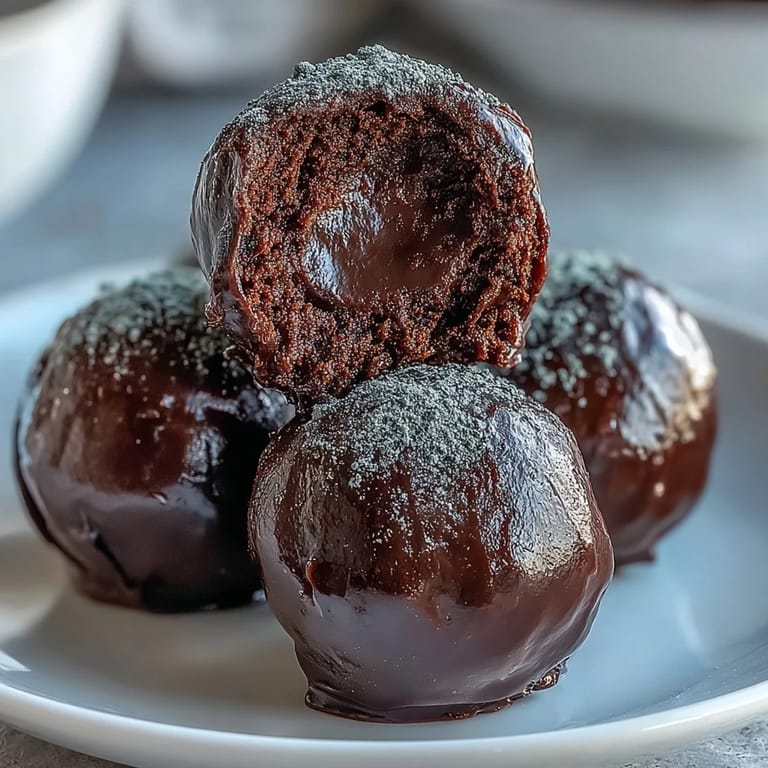
- Pour the warm infused cream over your chocolate and let it sit undisturbed for two minutes before you start stirring, which helps the chocolate melt evenly. Stir slowly and deliberately until it's completely smooth and glossy.
- Add richness and shine:
- Stir in your room-temperature butter and the honey if you're using it, making sure everything is fully incorporated and the mixture looks silky.
- Chill until scoopable:
- Cover the ganache and refrigerate for at least two hours, during which time it will firm up enough to hold its shape when you roll it into balls.
- Shape into truffles:
- Using a small spoon or melon baller, scoop out portions about the size of a cherry and roll them between your warm palms into smooth balls. If the ganache gets too soft while you're working, pop it back in the fridge for a few minutes.
- Coat with hojicha powder:
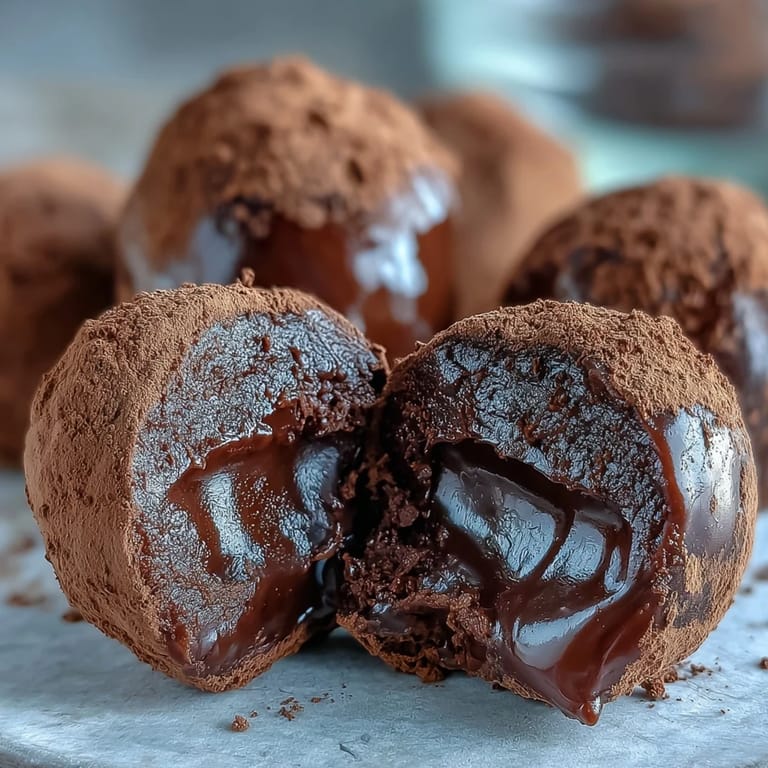
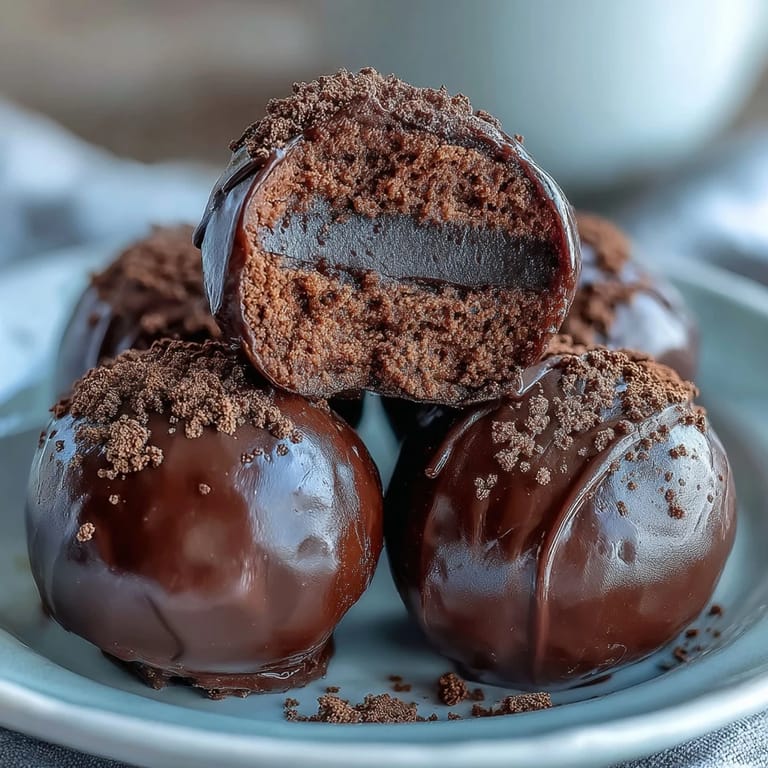
- Pour the hojicha powder into a shallow bowl and roll each truffle gently until it's evenly coated on all sides, creating that elegant matte finish.
- Store and serve:
- Arrange your finished truffles on parchment paper and keep them in an airtight container in the refrigerator for up to five days. Let them sit at room temperature for a few minutes before serving so the ganache becomes creamy rather than firm.
 Save to Pinterest
 My daughter once asked why these truffles tasted like a tea shop smelled, and that question made me realize they're really about capturing a feeling in chocolate form. There's something about the quiet sophistication of hojicha that makes people slow down when they eat it.
The Hojicha Story
Hojicha is green tea that's been roasted until it develops this warm, almost nutty flavor profile that's completely different from the grassy taste of regular green tea. It has less caffeine than other teas because roasting breaks down some of the compounds, which means you can serve these truffles in the evening without worrying about keeping anyone awake. The roasting process also gives it this approachable quality that makes it less intimidating for people who think they don't like tea-flavored desserts.
Sourcing Your Ingredients
You can find quality hojicha at Japanese grocery stores, specialty tea shops, or online retailers, and it's usually not expensive. The chocolate is where you have room to play—some people prefer the earthiness of 70% cacao, while others find that a bit too intense and go for 60%. If you can't find hojicha powder specifically, you can grind loose hojicha leaves in a spice grinder or even a clean coffee grinder until they're a fine powder, though it won't be quite as refined as professionally ground powder.
Variations and Serving Ideas
These truffles are elegant as they are, but they also take beautifully to a few variations if you want to experiment. You could dip them in tempered dark chocolate for an extra layer of decadence, or try swapping the dark chocolate for milk chocolate if you prefer something sweeter. They pair wonderfully with hojicha tea itself, but also with sake, a light dessert wine, or even a simple cup of coffee for a more unexpected combination.
- For a special presentation, arrange them in small paper cups and gift them as a thoughtful homemade present.
- If you want to make them ahead, prepare the ganache a day early and roll them the next morning when you have fresh energy.
- Keep them sealed in an airtight container between layers of parchment paper so they stay separate and don't stick together.
 Save to Pinterest
 There's something deeply satisfying about offering someone a truffle that looks like it came from an expensive chocolatier but actually came from your own hands. These are the kind of small, perfect things that make someone's day a little bit better.
Recipe Questions & Answers
- → What is hojicha?
Hojicha is a Japanese green tea that has been roasted over charcoal, resulting in a reddish-brown color and a distinctive toasty, nutty flavor profile with lower caffeine content than other green teas.
- → Can I substitute the hojicha powder?
You can use matcha powder for a vibrant green color and more grassy flavor, or grind hojicha tea leaves into a fine dust yourself using a spice grinder or mortar and pestle.
- → Why did my ganache not set properly?
The ganache may need more chilling time, especially if your kitchen is warm. Ensure you refrigerate for at least 2 hours, or until the mixture feels firm and scoopable. Using chocolate with the correct cacao percentage (60-70%) also helps achieve proper texture.
- → Can I make these truffles in advance?
Yes, these truffles store beautifully in an airtight container in the refrigerator for up to 5 days. For longer storage, freeze them for up to 1 month and thaw in the refrigerator before serving.
- → What's the best way to achieve uniform truffles?
Use a kitchen scale to portion exactly 15 grams of ganache for each truffle, or use a melon baller for consistent sizing. Roll quickly between palms to prevent melting from body heat.
- → Can I use milk or white chocolate instead?
Absolutely. Milk chocolate creates a sweeter, creamier truffle that pairs beautifully with hojicha's roasted notes. White chocolate offers an even richer result, though you may want to reduce or omit the honey to balance sweetness.