 Save to Pinterest
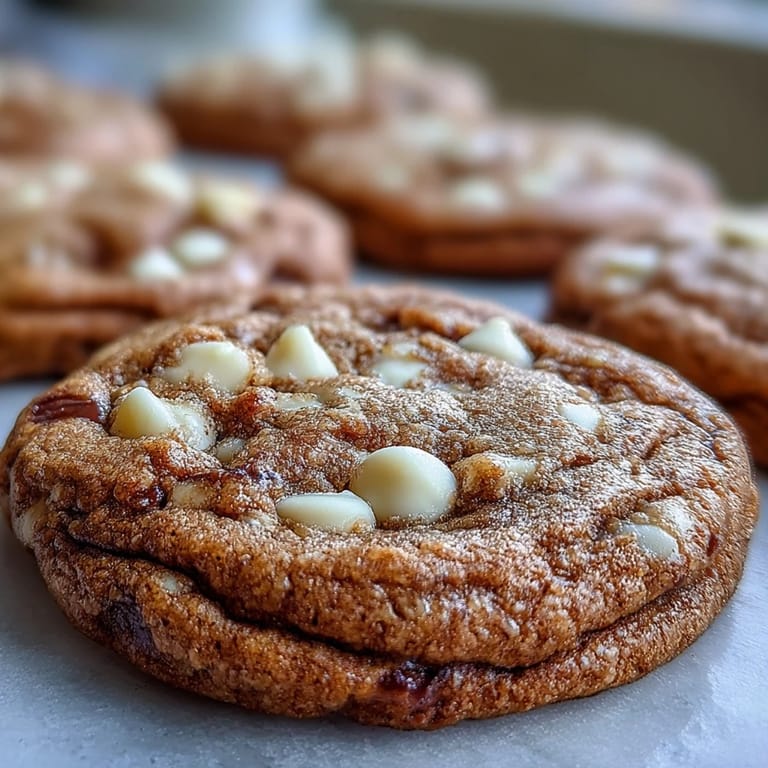
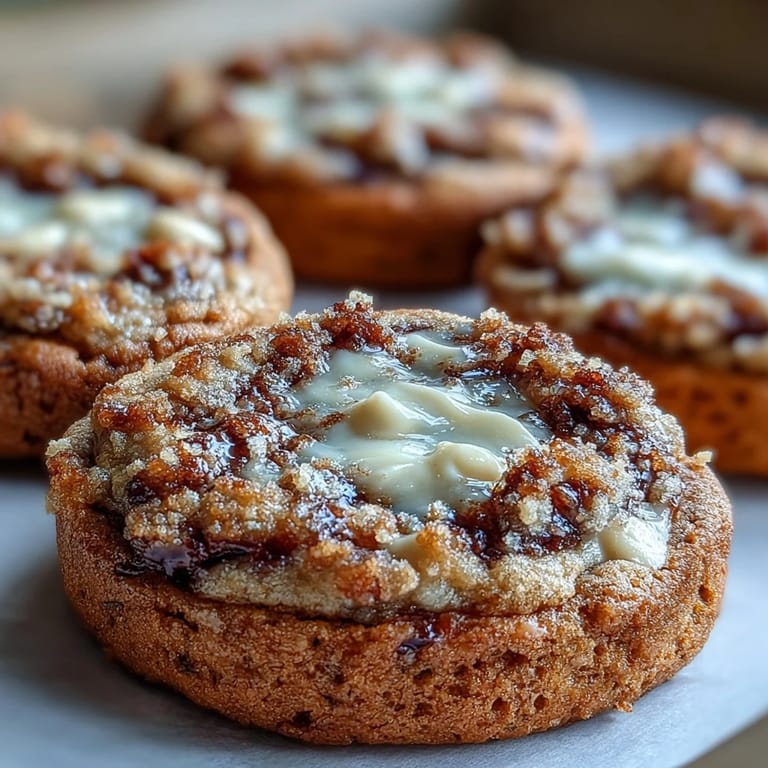
 My coworker brought these hojicha white chocolate cookies to the office one Tuesday morning, and the entire floor smelled like a Japanese tea house by ten o'clock. I watched people stop mid-conversation, sniff the air, and ask what that incredible aroma was. That's when I learned that hojicha, with its deep roasted character, could make something feel completely unfamiliar and comforting at the same time.
I made these for my sister's book club gathering last spring, nervous because hojicha sounded too adventurous for a crowd. By the end of the night, three people had asked for the recipe, and someone said they tasted like "the fancy version of what I didn't know I was craving." That's when I realized this recipe was something special.
Ingredients
- All-purpose flour: Use a kitchen scale if you have one, since 200 grams is more reliable than cup measurements and prevents dense cookies from too much flour.
- Hojicha powder: This is roasted green tea, not matcha, so hunt for it in Japanese markets or online—it has that warm, toasted flavor that regular green tea can't match.
- Baking soda: Just a half teaspoon is enough to give the cookies that tender, slightly chewy texture without making them cake-like.
- Salt: This small amount makes the whole flavor profile pop, especially the subtle earthiness of the hojicha.
- Unsalted butter: Room temperature is non-negotiable here, so leave it out for twenty minutes or cut it into small pieces to speed things up.
- Granulated and light brown sugar: The combination gives you a cookie that's soft in the center with just the tiniest bit of chew, not the cakey texture you'd get from just white sugar.
- Egg and vanilla: These bind everything together and add richness, making the cookies feel more like a treat than a quick snack.
- White chocolate chips: Their creamy sweetness balances the roasted tea beautifully, so don't skip them or swap for something darker without tasting the shift.
Tired of Takeout? 🥡
Get 10 meals you can make faster than delivery arrives. Seriously.
One email. No spam. Unsubscribe anytime.
Instructions
- Heat your oven and prepare:
- Preheat to 175°C (350°F) and line two baking sheets with parchment paper so the cookies don't stick and you're not scraping anything off later.
- Mix the dry team:
- Whisk together flour, hojicha powder, baking soda, and salt in a medium bowl, making sure the hojicha powder breaks up any lumps so the flavor distributes evenly through every bite.
- Cream butter and sugars:
- Beat softened butter with both sugars for about two minutes until the mixture looks pale and fluffy, which means you're incorporating air that makes cookies tender instead of dense.
- Add egg and vanilla:
- Beat in the egg and vanilla extract until the mixture looks smooth and fully combined, which usually takes about a minute of steady mixing.
- Bring wet and dry together:
- Add the dry ingredients gradually to the wet mixture, stirring just until you don't see flour streaks anymore—overmixing here makes cookies tough, so stop as soon as everything comes together.
- Fold in the white chocolate:
- Gently stir in the white chocolate chips until they're evenly spread throughout the dough, and don't press them in too hard or they'll melt.
- Scoop and space:
- Use a tablespoon measure or a small cookie scoop to drop mounds of dough onto the prepared sheets, leaving about five centimeters between each one so they can spread without touching.
- Bake until set:
- Bake for ten to twelve minutes, watching for the moment when the edges look dry and firm but the centers still look slightly underdone—they'll continue cooking on the hot sheet after you pull them out.
- Cool with patience:
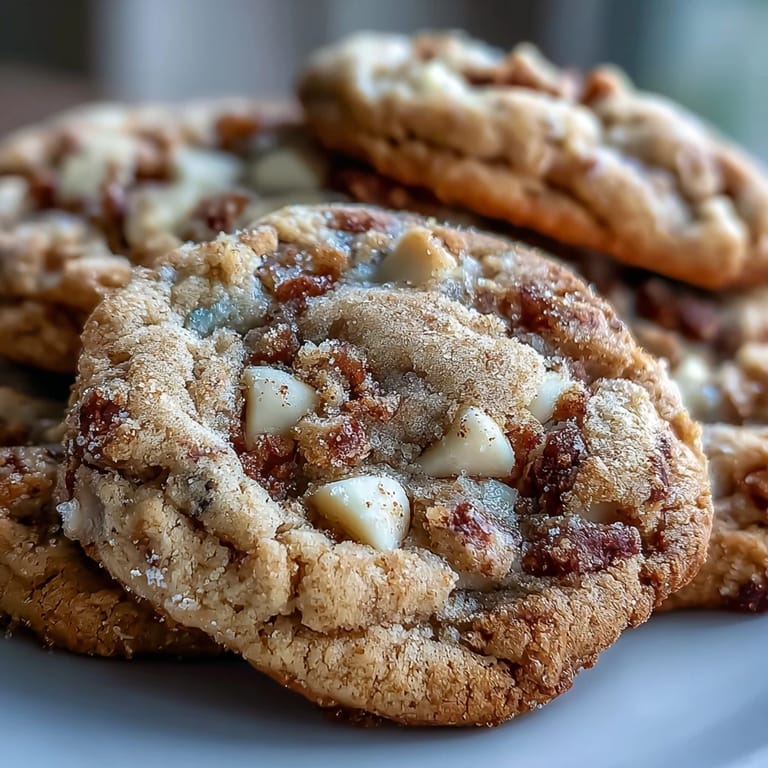
- Let the cookies sit on the baking sheet for five minutes while the bottoms firm up, then transfer them to a wire rack to cool completely so they set properly without becoming hard.
 Save to Pinterest
 A friend's grandmother tried one and said it reminded her of tea time in Kyoto, which made me realize these cookies aren't just a flavor combination—they're a small moment of travel and memory in edible form. That's the real reason to make them.
The Hojicha Difference
Most people confuse hojicha with matcha, but they're completely different experiences. Hojicha is roasted green tea, so it has this deep, almost coffee-like warmth without any bitterness or grassy notes. I discovered this the hard way by buying the wrong powder my first time, and the cookies came out tasting flat and one-dimensional. Once I got the real stuff, everything clicked—the roasted flavor gave the cookies an unexpected sophistication while white chocolate added creaminess that vanilla alone could never achieve.
Why These Cookies Stay Soft
The secret isn't any single ingredient, but the combination of two sugars and the slightly underbaked center. Brown sugar has molasses in it, which holds onto moisture better than white sugar alone, and the two together create a texture that stays tender for days instead of hardening up. I watched these sit in a container for four days at my house and they were just as soft on day four as they were fresh from the cooling rack.
When to Make These Cookies
These work perfectly for moments when you want to impress without spending hours in the kitchen, or when you're looking for something different to bring to a gathering. They're vegetarian, they're elegant enough for a tea party but casual enough for a snack, and they always start conversations about flavor and origin.
- Make a double batch and freeze the dough to have fresh-baked cookies whenever you need a gift or a pick-me-up.
- Sprinkle a tiny pinch of hojicha powder on top of each cookie right before baking if you want an even stronger tea flavor.
- Store them in an airtight container at room temperature for up to four days, or freeze the baked cookies for up to a month.
 Save to Pinterest
 These cookies bridge two worlds—the quiet ceremony of tea culture and the comfort of freshly baked treats warm from the oven. Make them when you want to slow down and taste something that feels both comforting and completely new.
Recipe Questions & Answers
- → What does hojicha taste like in cookies?
Hojicha brings a warm, roasted flavor with earthy notes and subtle caramel undertones. Unlike matcha's grassy brightness, hojicha is milder and less bitter, pairing beautifully with white chocolate's creamy sweetness. The roasting process reduces tannins, creating a smoother, nuttier profile that complements rather than overwhelms the cookie's sweetness.
- → Can I substitute the white chocolate chips?
Absolutely. Dark chocolate chips create a sophisticated contrast with hojicha's roasted notes, while milk chocolate offers a sweeter, more mellow pairing. For those avoiding dairy, white chocolate-style chips made with coconut oil or rice milk work well. You could also add chopped macadamia nuts or toasted pecans for complementary texture and flavor.
- → Why do the centers look slightly soft after baking?
Slightly soft centers indicate perfect texture. As the cookies cool on the baking sheet for those crucial five minutes, residual heat continues setting the interior without over-baking. This technique yields tender cookies with crisp edges and chewy middles. If baked until completely firm, they'll become tough once cooled.
- → How should I store hojicha white chocolate cookies?
Keep them in an airtight container at room temperature for up to four days. The hojicha flavor actually develops and intensifies slightly after the first day. Avoid refrigeration, which can make the white chocolate chalky and the cookies stale. For longer storage, freeze unbaked dough scoops on a baking sheet, then transfer to a freezer bag for up to three months.
- → What's the difference between hojicha and matcha powder?
Hojicha and matcha both come from green tea leaves but are processed differently. Hojicha is roasted over charcoal at high heat, turning the leaves reddish-brown and creating a toasty, nutty flavor with lower caffeine content. Matcha is shade-grown, steamed, dried, then ground into a vibrant green powder with grassy, umami notes. Hojicha's roasting makes it less astringent and more forgiving in baked goods.
- → Can I make the dough ahead of time?
Yes, the dough benefits from chilling. Wrap it tightly and refrigerate for up to 48 hours, which allows the flour to hydrate fully and the hojicha flavor to deepen. Cold dough also produces thicker cookies with better texture. Let chilled dough sit at room temperature for 15-20 minutes before scooping if it's too firm to work with.