 Save to Pinterest
 My cousin brought back a bottle of Limoncello from a trip to Italy, and it sat on my kitchen counter for weeks while I debated what to do with it. One rainy afternoon, I decided the answer wasn't limoncini but a pound cake—something that would stretch that bright, herbaceous liqueur across an entire dessert and make it last longer. The result was so unexpectedly tender and fragrant that I've made it dozens of times since, each batch a little ritual of turning that yellow bottle into something people actually want to eat.
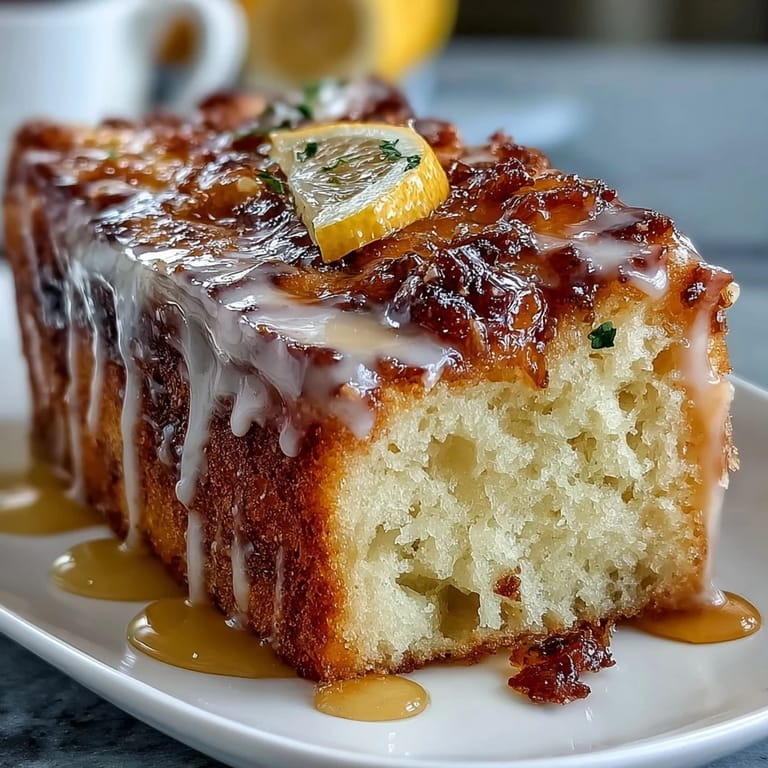
I made this for my book club once, nervous about serving something alcoholic, but the baking burned off most of the liqueur anyway. What arrived at the table was this golden, fragrant loaf that made someone ask for the recipe before they'd even finished their slice. That's when I knew it worked—not because it was complicated, but because it tasted like someone had actually cared while making it.
Ingredients
- Unsalted butter (1 cup, softened): Room temperature butter creams smoother and incorporates air better, which keeps the cake light; cold butter will make your life harder and your cake denser.
- Granulated sugar (2 cups): This is where sweetness and structure live together, so don't skip it or swap it for honey—the cake needs the granules to build volume.
- Eggs (4 large, room temperature): Temperature matters here because cold eggs won't emulsify properly with the butter; leave them out for 30 minutes if you're in a hurry.
- Limoncello liqueur (1/4 cup): The star ingredient that infuses the whole cake with that Mediterranean brightness; if you don't have it, lemon juice works but tastes less complex.
- Whole milk (1/4 cup, room temperature): Adds moisture and tenderness without making the crumb dense like buttermilk might.
- Freshly grated lemon zest (2 tbsp from about 2 lemons): Use a microplane if you have one, and zest before juicing so you don't slip and hurt yourself—this is the fragrant backbone of the whole cake.
- Fresh lemon juice (1/4 cup): Adds tang and brightness that cuts through the sweetness, so use fresh lemons, never bottled.
- All-purpose flour (2 1/2 cups): The structure; measuring by weight is more reliable than by cup if your scale is nearby.
- Baking powder (1 1/2 tsp): Lifts the cake so it's tender rather than dense, but don't mix the batter too much after adding it or you'll knock out the bubbles.
- Salt (1/2 tsp): Balances the sweetness and makes the lemon flavors pop without adding any salty taste.
- Powdered sugar for the glaze (1 cup, sifted): Sifting it prevents lumps that look sad drizzling down the sides.
- Fresh lemon juice for the glaze (2–3 tbsp): Adjust this to your preferred thickness; more juice makes it thinner and more pourable.
- Limoncello for the glaze (1 tbsp): Optional but it completes the flavor story and keeps the glaze from tasting one-dimensional.
Tired of Takeout? 🥡
Get 10 meals you can make faster than delivery arrives. Seriously.
One email. No spam. Unsubscribe anytime.
Instructions
- Prepare your pan and preheat:
- Set your oven to 350°F and get your 9x5-inch loaf pan or Bundt pan ready with butter and a light flour dusting. Cold pans make the batter stick, and rooms at the wrong temperature bake unevenly, so spend a minute on this step.
- Cream butter and sugar into clouds:
- Beat them together for 3 to 4 minutes until the mixture is pale yellow and fluffy—this is where you're building the cake's foundation by trapping air. Stop and scrape the bowl halfway through so you don't leave streaks of unmixed butter hiding on the sides.
- Add eggs one at a time with patience:
- Each egg needs a full minute of beating before you add the next; rushing this step makes the batter separate and the cake crumbly. Listen to the sound change as each egg fully incorporates—it goes from sloppy to glossy.
- Stir in the lemon flavors and liquid:
- Mix in the lemon zest, Limoncello, lemon juice, and milk until you don't see streaks anymore. The batter will smell like a Sicilian lemon grove at this point, which is how you know you're on the right track.
- Combine dry ingredients separately:
- Whisk the flour, baking powder, and salt in another bowl so they're evenly distributed before they meet the wet mix. This takes 30 seconds and prevents lumps.
- Fold everything together gently:
- Add the dry mixture to the wet mixture and stir just until combined—stop as soon as you don't see white flour streaks. Overmixing develops gluten and makes the cake tough.
- Pour and bake:
- Transfer the batter to your prepared pan, smooth the top with a spatula, and slide it into the oven. At 50–55 minutes, a toothpick inserted into the center should come out clean or with just a few crumbs clinging to it.
- Cool in two stages:
- Let the cake sit in the pan for 15 minutes so it firms up enough to turn out without falling apart. Then move it to a wire rack to cool completely, which takes about an hour.
- Whisk together the glaze:
- Mix powdered sugar with 2 to 3 tablespoons of lemon juice and 1 tablespoon of Limoncello until it's thick but pourable—thicker than cream, thinner than frosting. If it gets too thin, add more powdered sugar; too thick, add more lemon juice in teaspoon increments.
- Drizzle and finish:
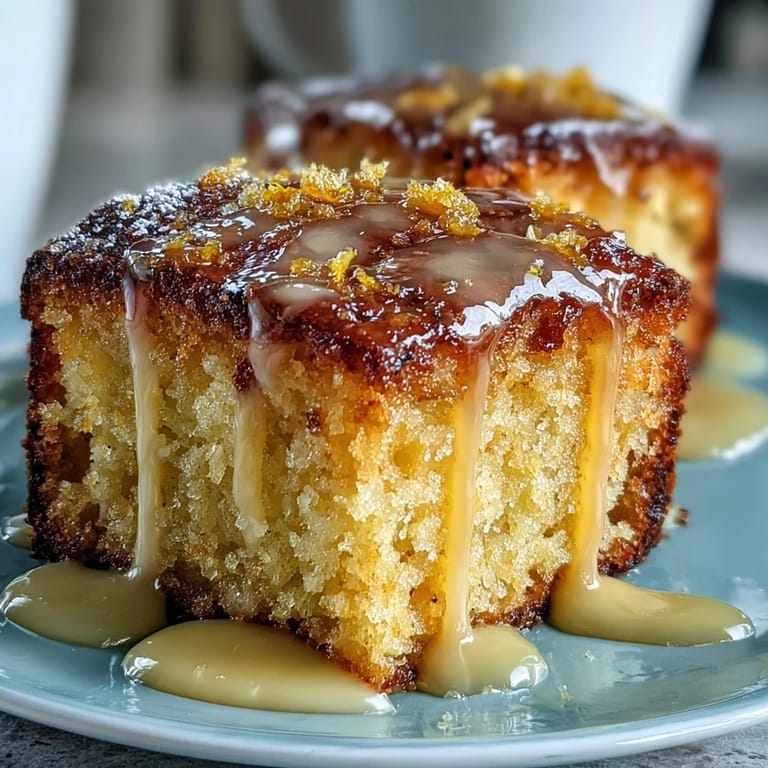
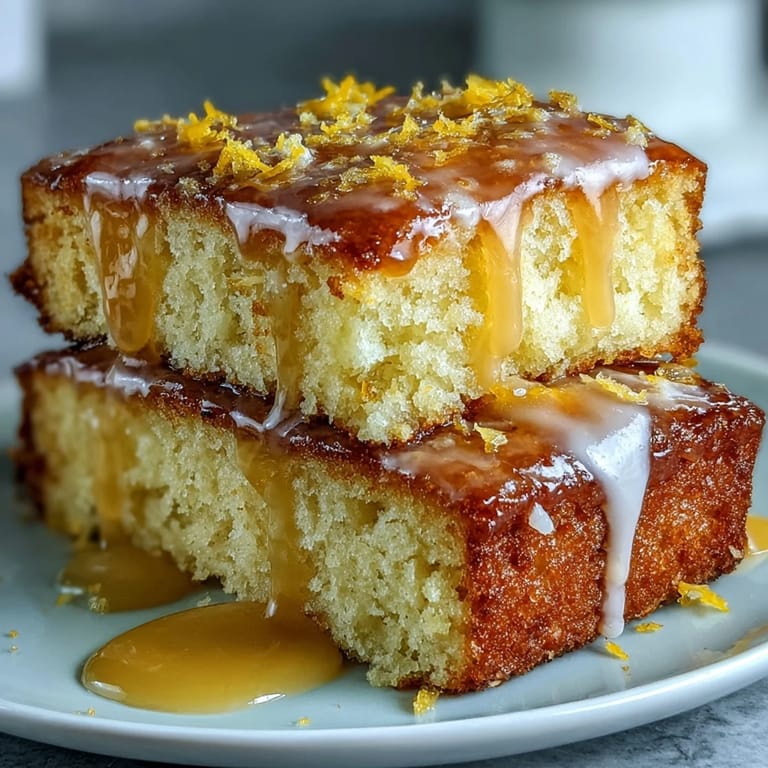
- Pour the glaze over the cooled cake in a thin stream, letting it pool and drip down the sides naturally. If you're feeling fancy, top with extra lemon zest, and then leave it alone for 30 minutes so the glaze sets and firms up.
 Save to Pinterest
 A friend once told me she'd made this cake and her kids asked for it on their birthday instead of chocolate layer cake. That moment made me realize this isn't fancy cooking—it's just honest baking with real flavors that people genuinely love.
Why Lemon and Limoncello Work So Well Together
Fresh lemon juice brings brightness and acidity, while Limoncello adds a softer, herbaceous sweetness with that boozy depth that somehow makes the lemon taste even more lemony. The combination isn't accidental—it's how Italians have been building flavors for centuries, layering the same ingredient in different forms so it becomes more complex rather than overwhelming. In this cake, they trade roles, with the zest doing the heavy fragrant lifting, the juice adding tang, and the liqueur tying it all together with sophistication.
Timing and Temperature Matter More Than You'd Think
I once made this at high altitude and the cake rose too fast and collapsed in the middle because I wasn't paying attention to oven temperature. Since then, I've learned that baking is more forgiving when you respect the numbers—room temperature ingredients, proper oven heat, and watching the clock. If your oven runs hot, rotate the pan halfway through baking to keep one side from browning faster than the other.
Serving, Storing, and Small Variations
This cake tastes better on day two when the flavors have settled and melded, so you can actually make it ahead without stress. Wrap it in plastic wrap once the glaze has set completely, and it keeps for three or four days on the counter; frozen, it lasts a month. You can also halve the recipe for a smaller cake, swap half the all-purpose flour for cake flour if you want it even more tender, or serve it with fresh berries, whipped cream, or just on its own with tea.
- If you're not serving it the same day, skip the glaze until a few hours before serving so it stays bright and doesn't weep into the cake.
- For an alcohol-free version, replace the Limoncello with additional lemon juice, but add it slowly so the batter doesn't get too wet.
- A thin slice with strong coffee or sparkling water is the perfect afternoon moment.
 Save to Pinterest
 This cake has become my answer to almost any dessert occasion, not because it's complicated, but because it feels like care in every bite. Make it once and it becomes the thing people ask for by name.
Recipe Questions & Answers
- → What gives the cake its citrus flavor?
Freshly grated lemon zest and juice combine with Limoncello liqueur to create a vibrant citrus flavor throughout the cake.
- → How can I make the texture lighter?
Substitute half of the all-purpose flour with cake flour for a softer, lighter crumb.
- → Can the Limoncello be omitted?
Yes, replace it with additional lemon juice for a non-alcoholic version, though some depth of flavor will be lost.
- → What is the best pan for baking?
A 9x5-inch loaf pan or bundt pan works well to achieve even baking and a tender crust.
- → How is the lemon glaze prepared?
Whisk powdered sugar with fresh lemon juice and Limoncello until smooth and pourable, then drizzle over the cooled cake.