 Save to Pinterest
 There's something about the sizzle of fish hitting a hot pan that makes everything else fall away. I discovered this bowl on a Tuesday evening when my fridge was half-empty and I wanted something that felt both nourishing and exciting, not like I was settling for leftovers. The magic isn't in fancy technique—it's in how a few simple components come together to feel like something you'd order at a restaurant you love. White fish cooks so quickly that by the time your rice is fluffy and your vegetables are caramelized, dinner is already on the table. What started as improvisation became my go-to when I want to feel accomplished without spending hours in the kitchen.
I made this for my neighbor last summer when she mentioned wanting to eat lighter but didn't know where to start. Watching her face when she tasted how bright the lemon sauce was, how the crispy edges of the fish contrasted with the soft rice beneath—that's when I realized this wasn't just a weeknight dinner. It became the dish I suggest when someone's stuck in a rut, tired of the same rotations, ready for something that tastes deliberate.
Ingredients
- Flaky white fish fillets (cod, halibut, or tilapia): Look for fillets that are similar in thickness so they cook evenly; if one piece is thicker than the others, gently pound it to match the rest.
- Jasmine or basmati rice: Jasmine rice has a slightly sweet aroma and fluffy texture that pairs beautifully with bright citrus, though basmati works just as well for a more delicate grain.
- Olive oil: Use extra-virgin for the sauce to preserve its fruity notes, and regular olive oil for cooking since it has a higher smoke point.
- Seasonal vegetables (zucchini, bell pepper, red onion, cherry tomatoes): The key is cutting them to similar sizes so they roast at the same rate; halving the tomatoes prevents them from bursting before the other vegetables soften.
- Unsalted butter: This lets you control the salt in the sauce and prevents it from becoming unbalanced; the butter should foam slightly when the garlic hits the pan.
- Fresh lemon juice and zest: The zest adds an intense citrus brightness that juice alone can't deliver, so don't skip it even though it's just one extra step.
- Fresh parsley: Chop it just before serving so it keeps its vibrant green color and fresh taste instead of darkening and getting limp.
- Smoked paprika: This is optional but worth keeping on hand; it adds a subtle warmth that makes the fish taste more intentional without being spicy.
Tired of Takeout? 🥡
Get 10 meals you can make faster than delivery arrives. Seriously.
One email. No spam. Unsubscribe anytime.
Instructions
- Heat your oven and prep vegetables:
- Get your oven to 220°C (425°F) and while it preheats, toss your zucchini, bell pepper, red onion, and cherry tomatoes with olive oil, salt, pepper, and oregano in a large bowl. Spread them on a baking sheet in a single layer so they roast instead of steam.
- Roast until caramelized:
- Pop the vegetables into the oven for 18 to 20 minutes—you want them tender at the edges with a little char, which is where the sweet depth comes from. While they roast, you can move on to the rice and fish.
- Cook rice the gentle way:
- Rinse your rice under cold water to remove excess starch, then combine it with water and salt in a saucepan. Bring to a boil, then immediately reduce the heat, cover, and let it simmer for 12 to 15 minutes until the water is absorbed.
- Let rice rest:
- Once the rice is cooked, turn off the heat and let it sit covered for 5 minutes—this steaming period lets the grains firm up so they don't turn mushy when you fluff them with a fork.
- Prepare fish for the pan:
- Pat your fish fillets completely dry with paper towels; this is crucial because water prevents browning. Season both sides generously with salt, pepper, and a light dusting of smoked paprika.
- Sear fish with confidence:
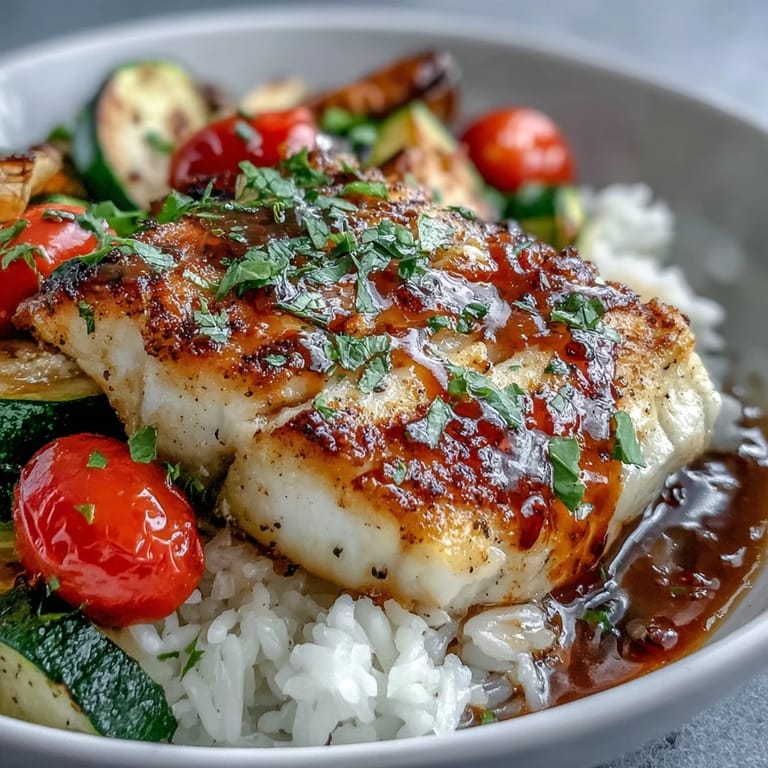
- Heat olive oil in a large nonstick skillet over medium-high heat until it shimmers, then carefully place fish fillets in the pan. You'll hear a gentle sizzle—don't move them for 3 to 4 minutes so they develop that golden, delicate crust.
- Flip and finish:
- Turn the fish over gently and cook for another 3 to 4 minutes until it flakes easily with a fork and is cooked through. Transfer to a warm plate while you make the sauce.
- Create the lemon sauce:
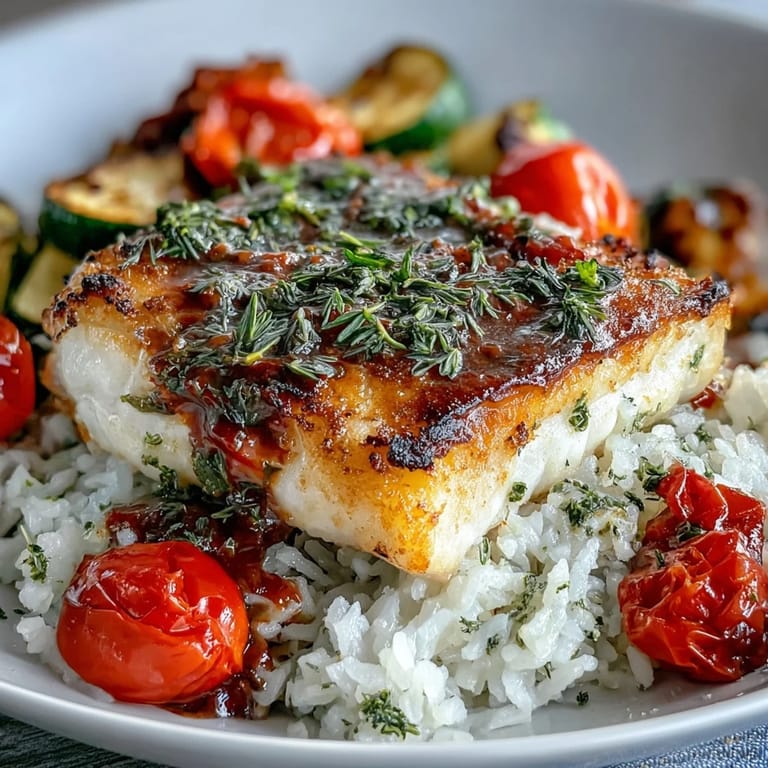
- In a small saucepan, melt butter over medium heat and add your minced garlic, letting it sizzle for about a minute until it becomes fragrant but doesn't brown. Stir in lemon juice, zest, and fresh parsley, then season to taste.
- Assemble your bowls:
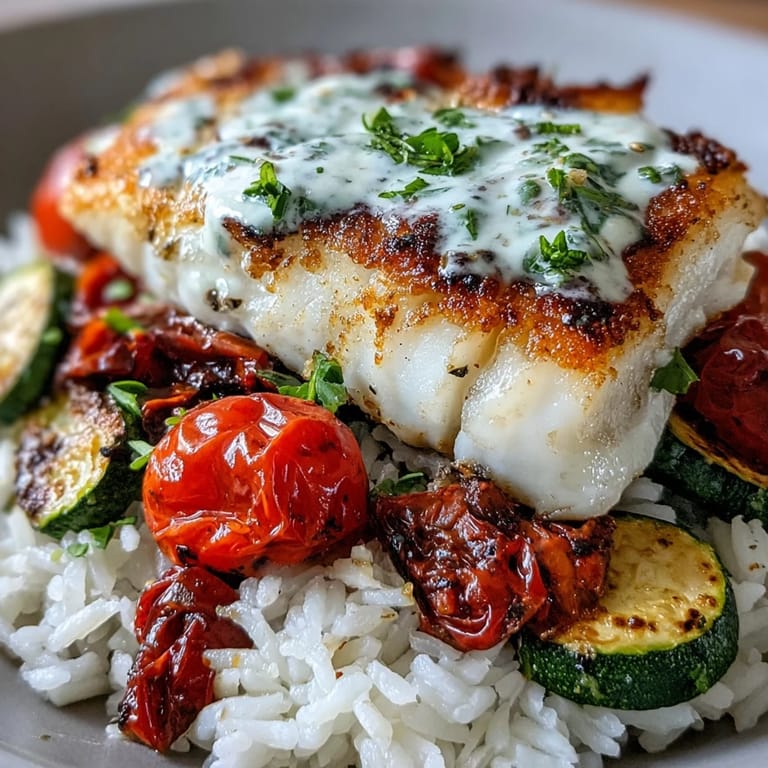
- Start with a base of fluffy rice in each bowl, then arrange roasted vegetables around it and top with a seared fish fillet. Drizzle the lemon sauce over everything and garnish with extra parsley if you have it.
 Save to Pinterest
 Last spring, my daughter came home from school and asked why dinner smelled like a restaurant, and honestly, that question made me pause and appreciate how simple cooking can feel elevated. These bowls remind me that feeding people well doesn't require complicated techniques or rare ingredients, just attention to timing and a little care in execution.
Why This Bowl Became My Go-To
There was a period where I kept defaulting to the same three chicken recipes, and I realized I'd stopped enjoying cooking because everything felt predictable. This dish broke that cycle because every component comes together so cleanly—the rice is neutral but fluffy, the vegetables are naturally sweet from roasting, the fish is pristine and delicate, and the lemon sauce is where everything gets its personality. It's balanced without being boring, impressive without being fussy, and it taught me that sometimes the best dishes are the ones that respect each ingredient instead of trying to mask it.
Building Flavor Through Simplicity
The secret to making this bowl taste like more than its parts is respecting the natural flavors each component brings. Your rice should taste faintly of salt and be fluffy enough that individual grains are distinct, your roasted vegetables should have caramelized edges that taste almost sweet, your fish should be tender and delicate, and your lemon sauce should taste like bright citrus with a whisper of garlic underneath. When you're not adding heavy sauces or masking things with spices, every choice becomes visible—which is why using good olive oil, fresh lemon juice, and properly seasoned fish matters more than you'd think.
Variations That Keep It Fresh
I've made this bowl at least a hundred times and I've never made it exactly the same way twice, which is what I love about the structure—it's flexible enough to shift with what's in season. In summer, I swap in heirloom tomatoes and add fresh corn; in fall, I roast squash and add crispy sage; in winter, I use Brussels sprouts and a touch of balsamic vinegar alongside the lemon. The formula stays the same—seared fish, fluffy grain, roasted vegetables, bright sauce—but the personality changes based on what's at the market.
- Brown rice or quinoa work beautifully if you want more protein and texture in the grain component.
- Any flaky white fish works here; if you can only find salmon, embrace it and pair it with a dill sauce instead of lemon.
- Cold roasted vegetables make excellent leftovers, so you can prep them ahead and assemble bowls throughout the week.
 Save to Pinterest
 This bowl has fed dinner guests, quiet weeknight meals for just myself, and late-night dinners when someone I loved needed to eat something nourishing. It's honest food that makes you feel taken care of.
Recipe Questions & Answers
- → What type of fish works best for this bowl?
Flaky white fish varieties like cod, halibut, tilapia, or sea bass are ideal. These fillets hold their shape well during searing and offer a mild flavor that pairs beautifully with the lemon sauce.
- → Can I prepare the components ahead of time?
Absolutely. Roast vegetables up to 2 days in advance and store in the refrigerator. Cook rice ahead and reheat with a splash of water. The lemon sauce can also be made 1 day early and gently warmed before serving.
- → How do I know when the fish is perfectly cooked?
The fish is done when it flakes easily with a fork and the internal temperature reaches 63°C (145°F). The flesh should appear opaque throughout and no longer translucent. Aim for 3-4 minutes per side depending on fillet thickness.
- → What vegetables can I substitute based on season?
Feel free to use whatever seasonal vegetables appeal to you. Broccoli florets, asparagus, Brussels sprouts, sweet potato cubes, or eggplant all roast beautifully. Just adjust cooking times accordingly for harder vegetables.
- → How can I make this dairy-free?
Simply replace the butter in the lemon sauce with olive oil or your favorite dairy-free butter alternative. The sauce will still deliver that bright, zesty finish that brings the entire bowl together.
- → What wine pairs well with this dish?
A chilled Sauvignon Blanc offers crisp acidity that complements the lemon sauce beautifully. Pinot Grigio or a dry Albariño are also excellent choices that won't overpower the delicate fish flavors.